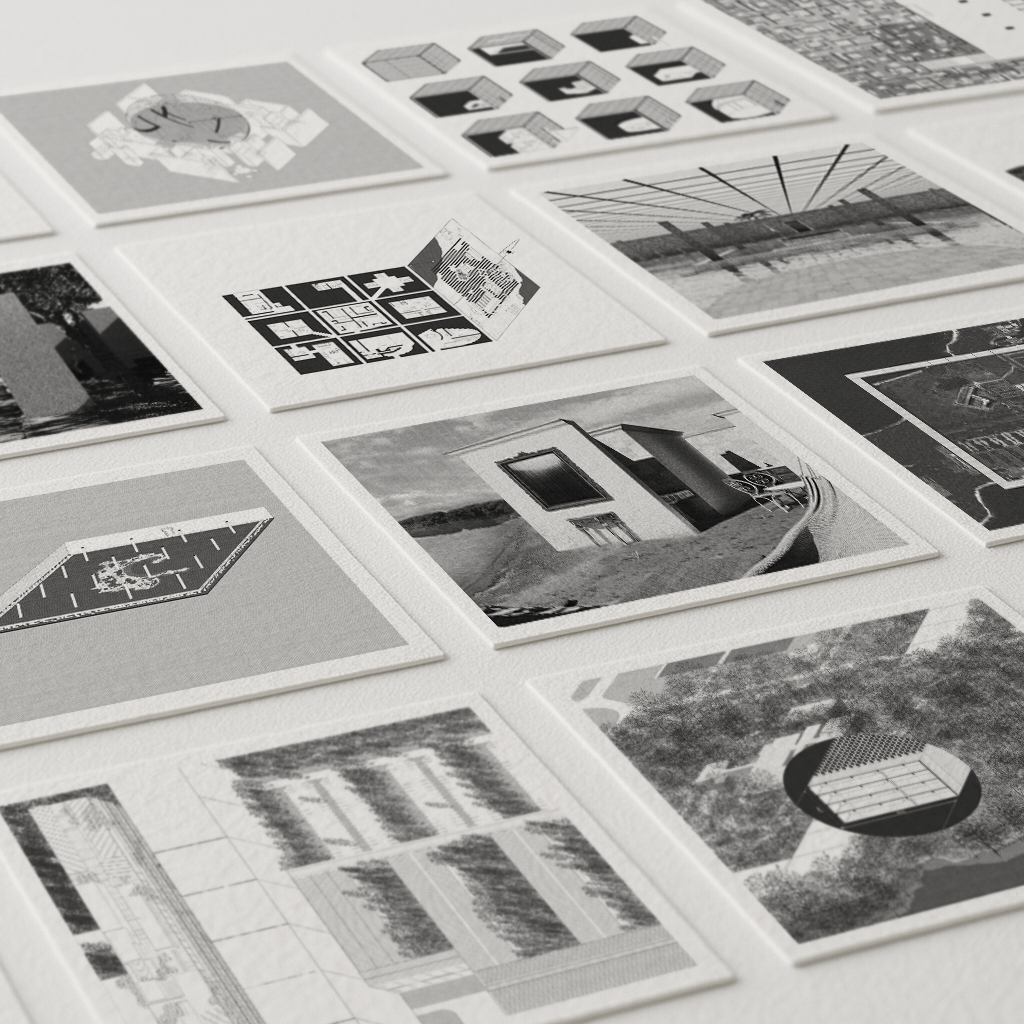
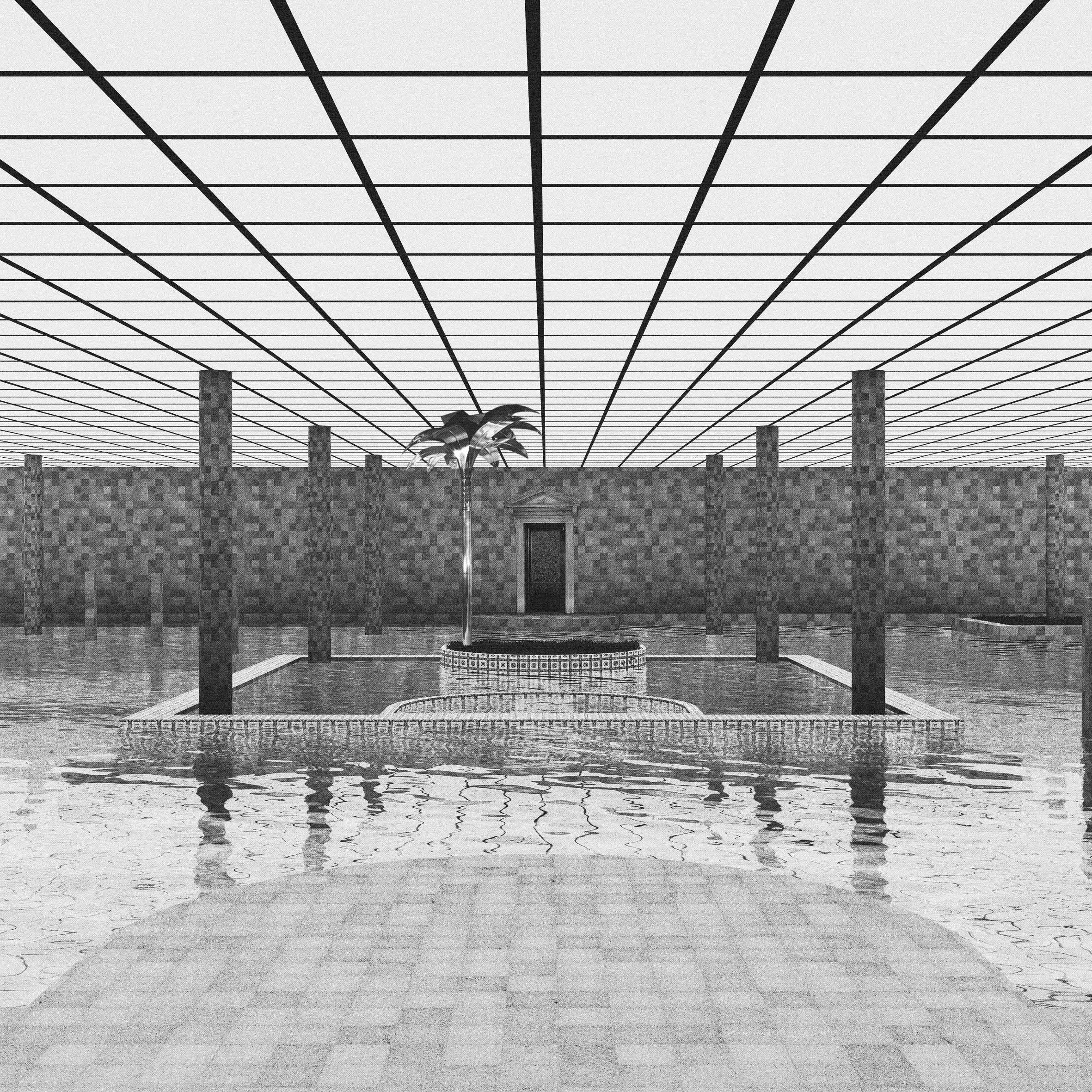
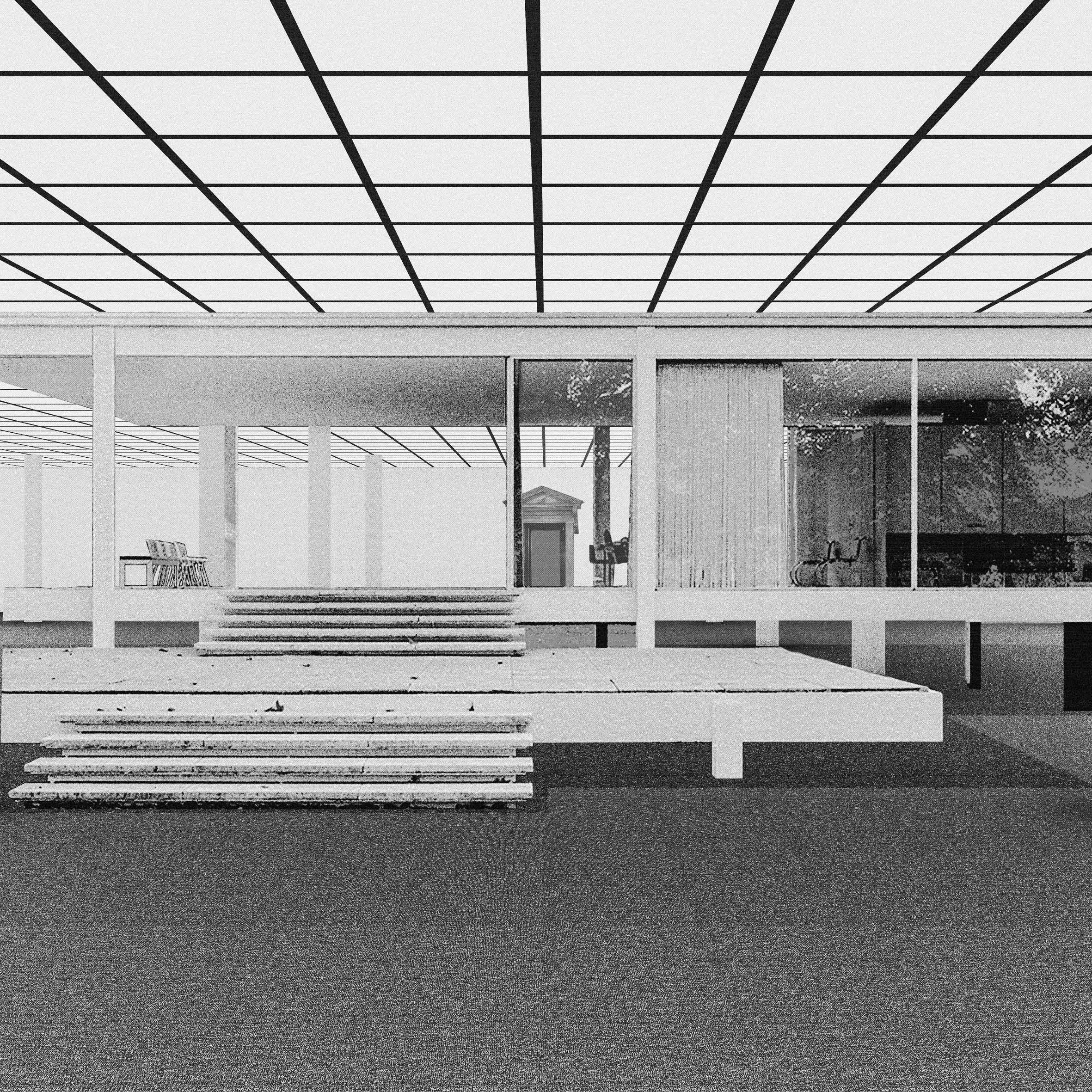
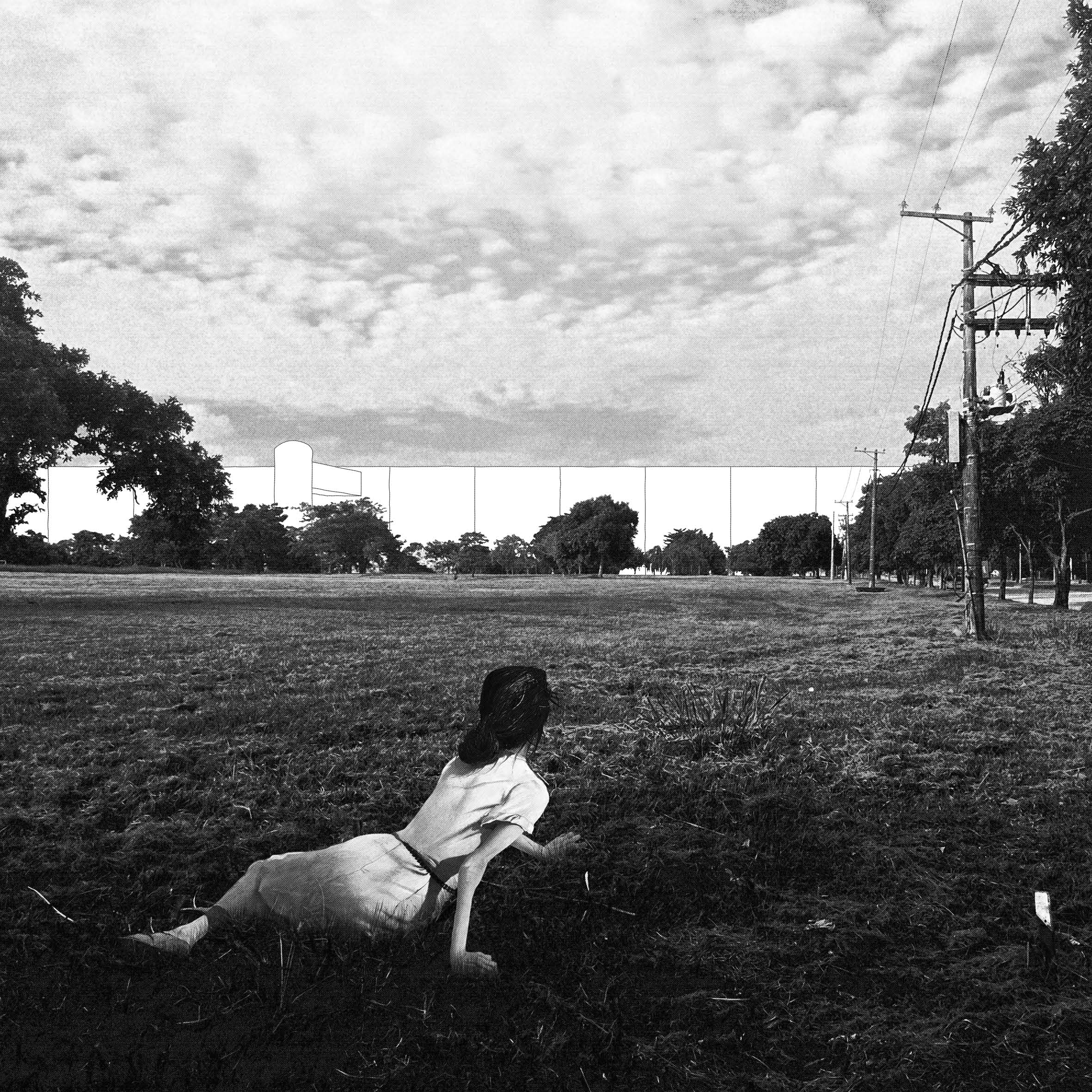
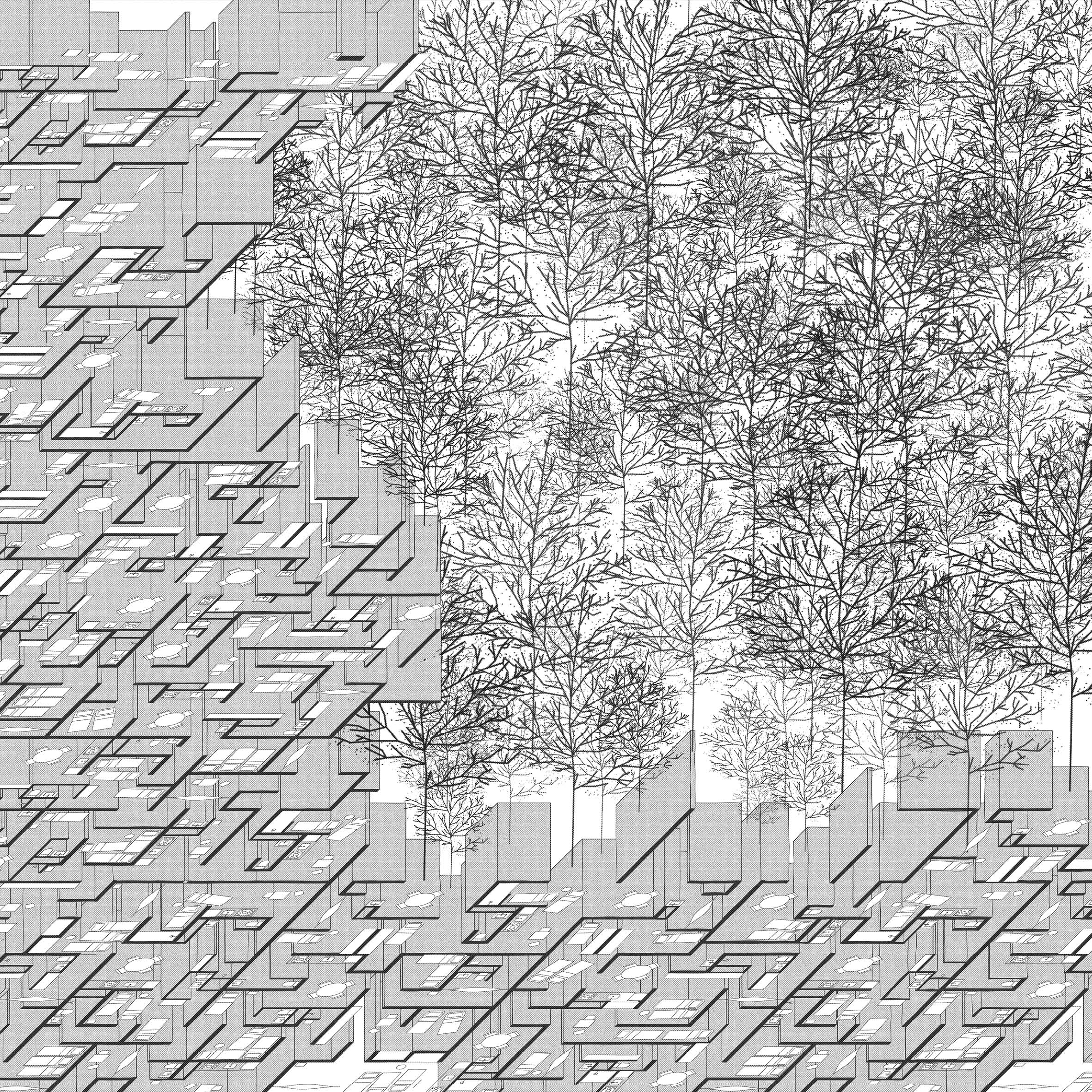
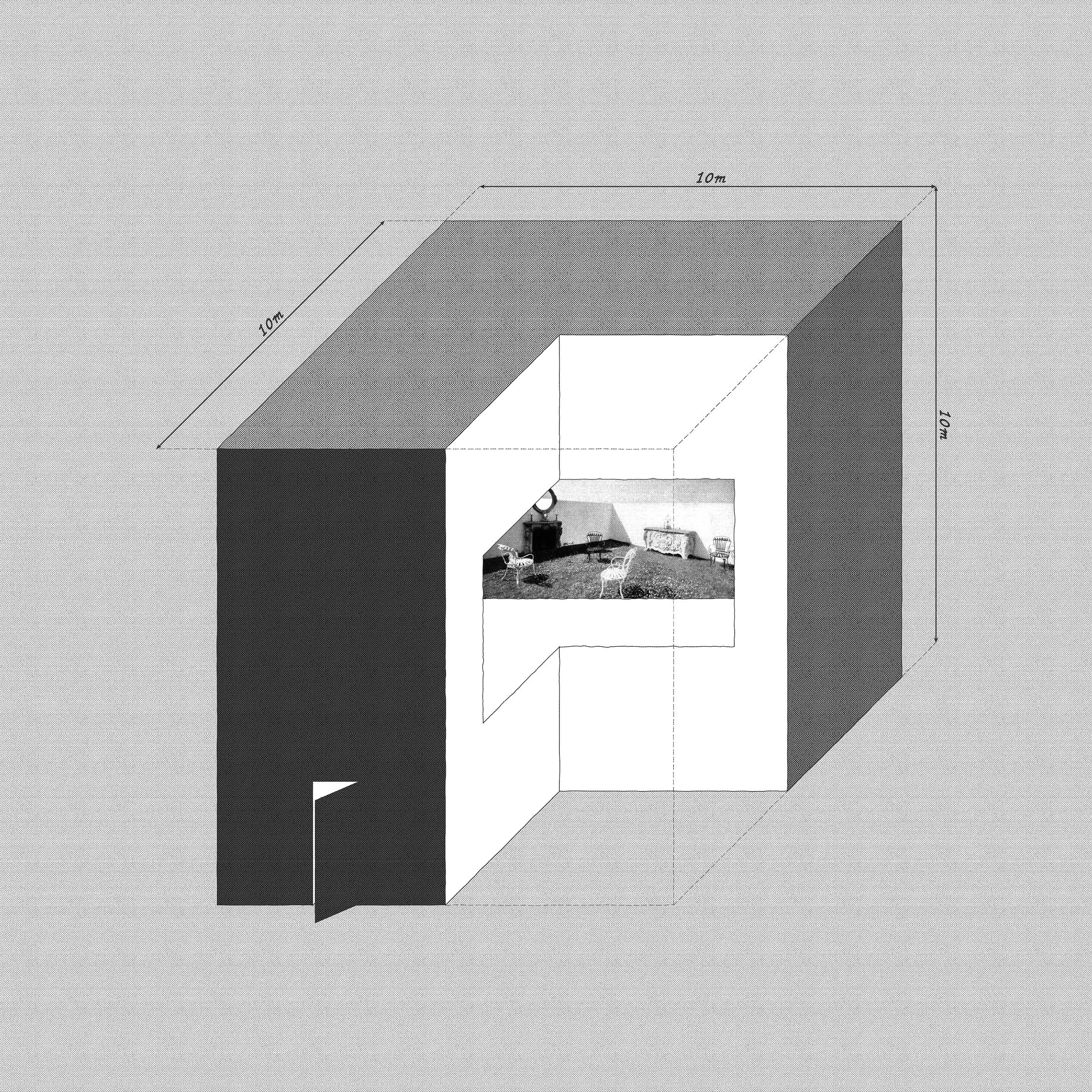
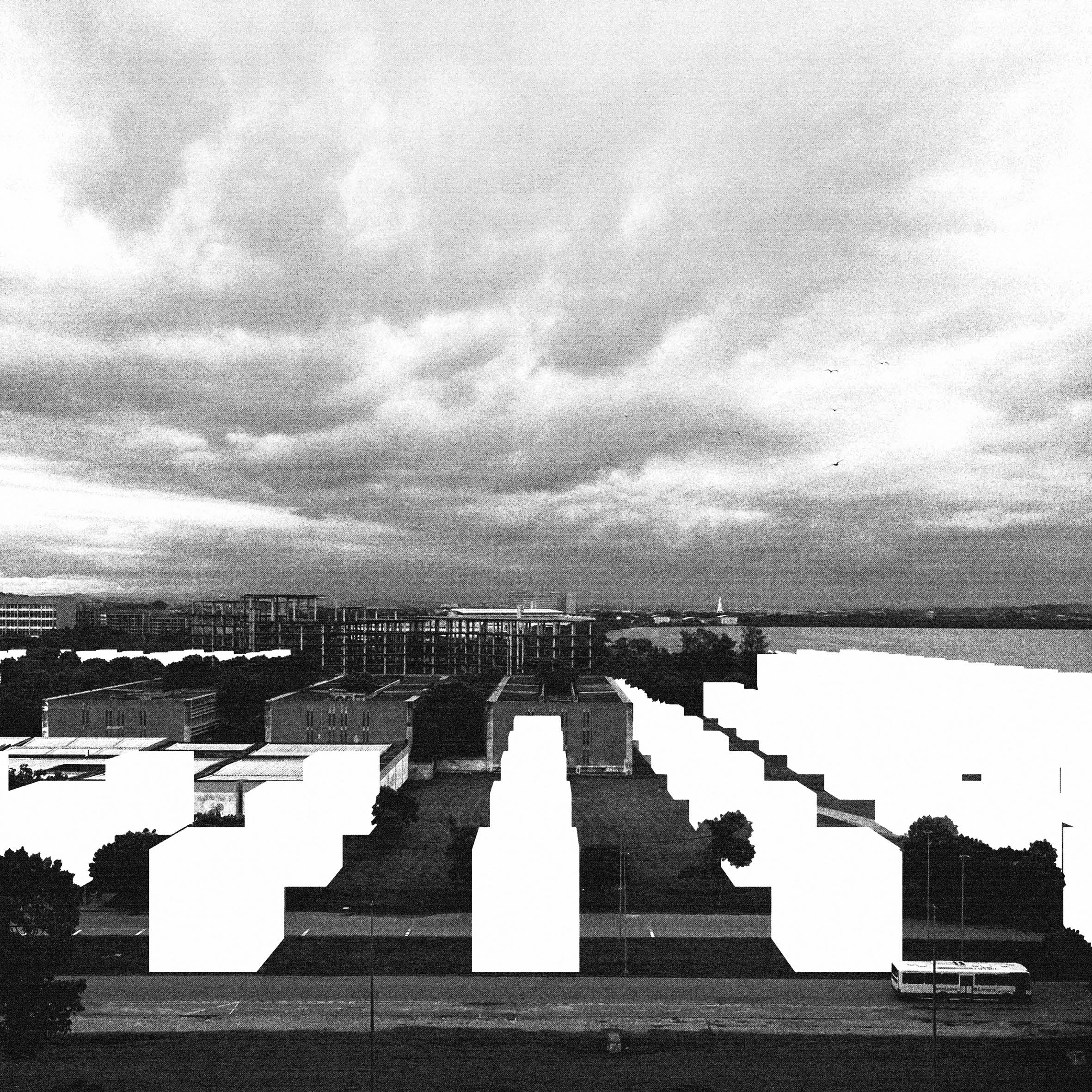
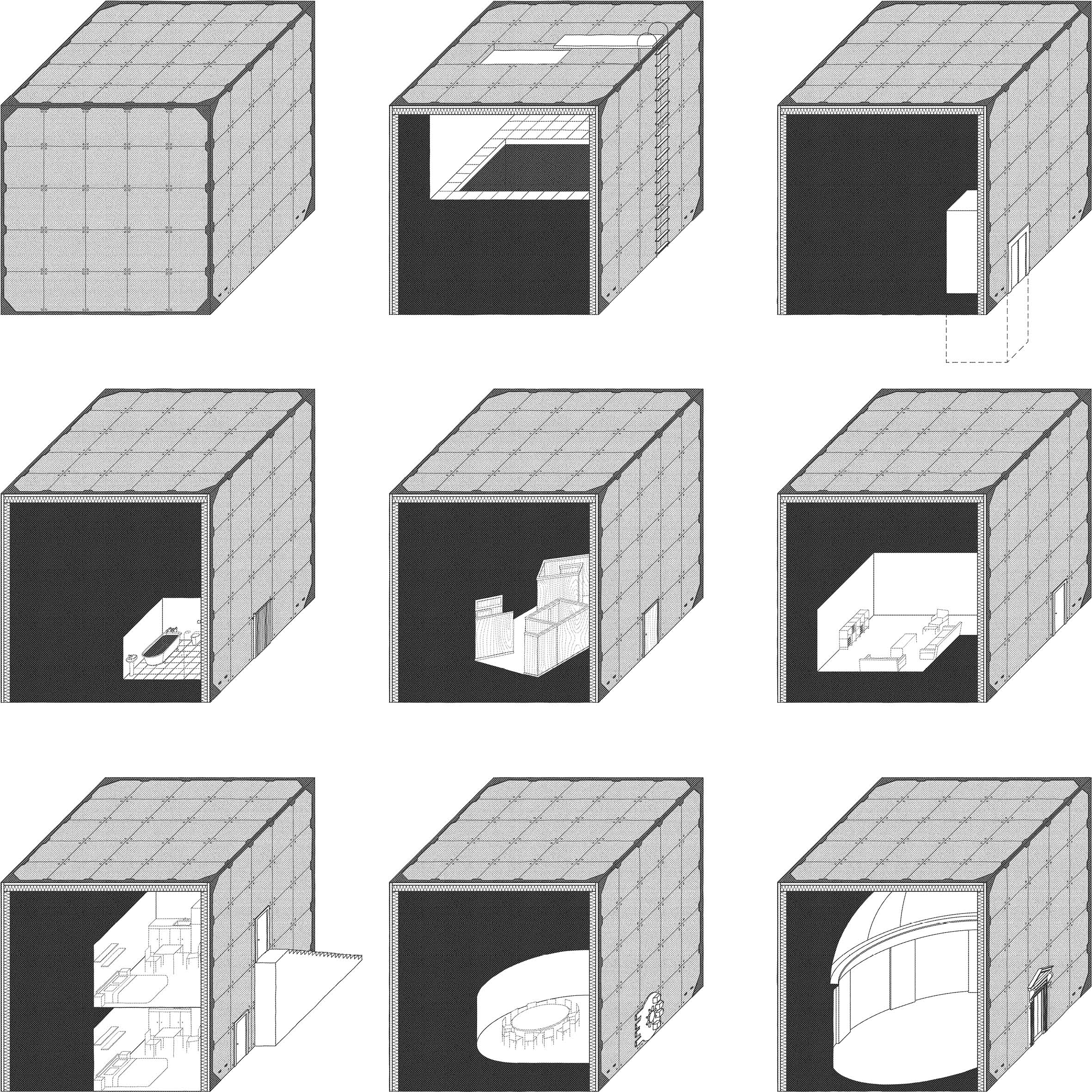
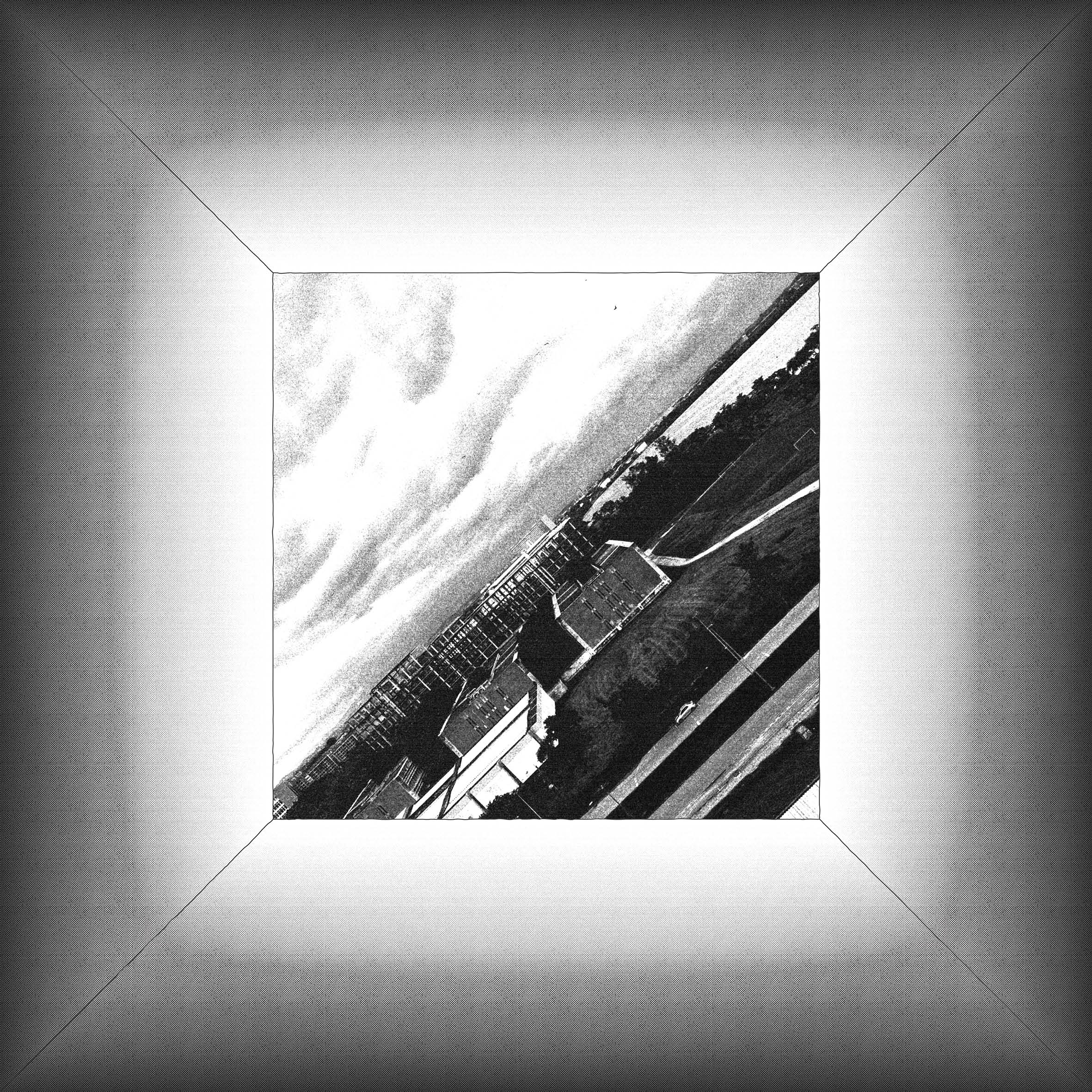
Three Essays on University City Campus; phantoms of the University City Campus that evoke the antitheses of what it is.
Cidade Universitária, Rio de Janeiro
Author: Lucas Marques
Drawings: Lucas Marques
Advisor: Cauê Capillé
Keywords: UFRJ, City, Urban, Essay
Year: 2023
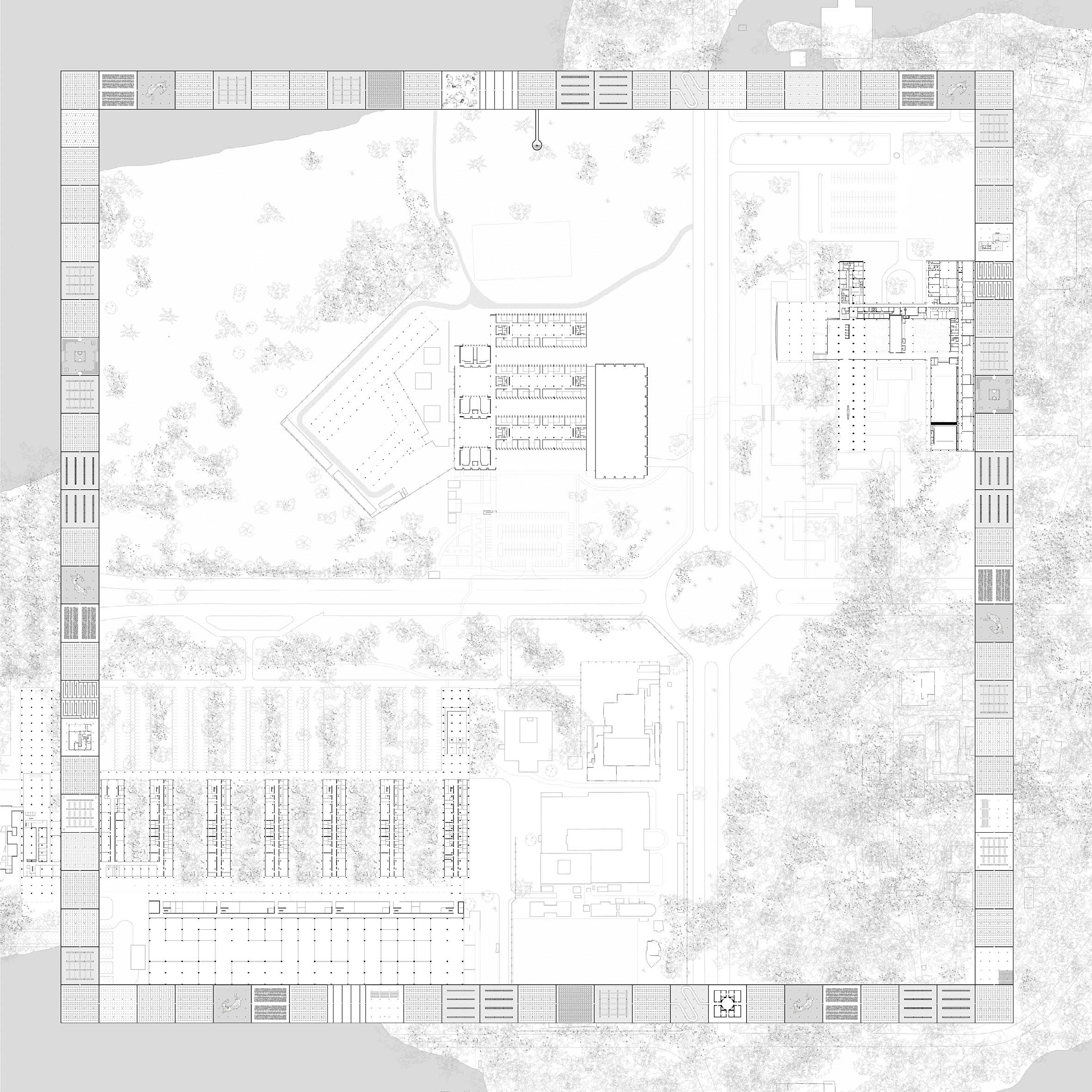
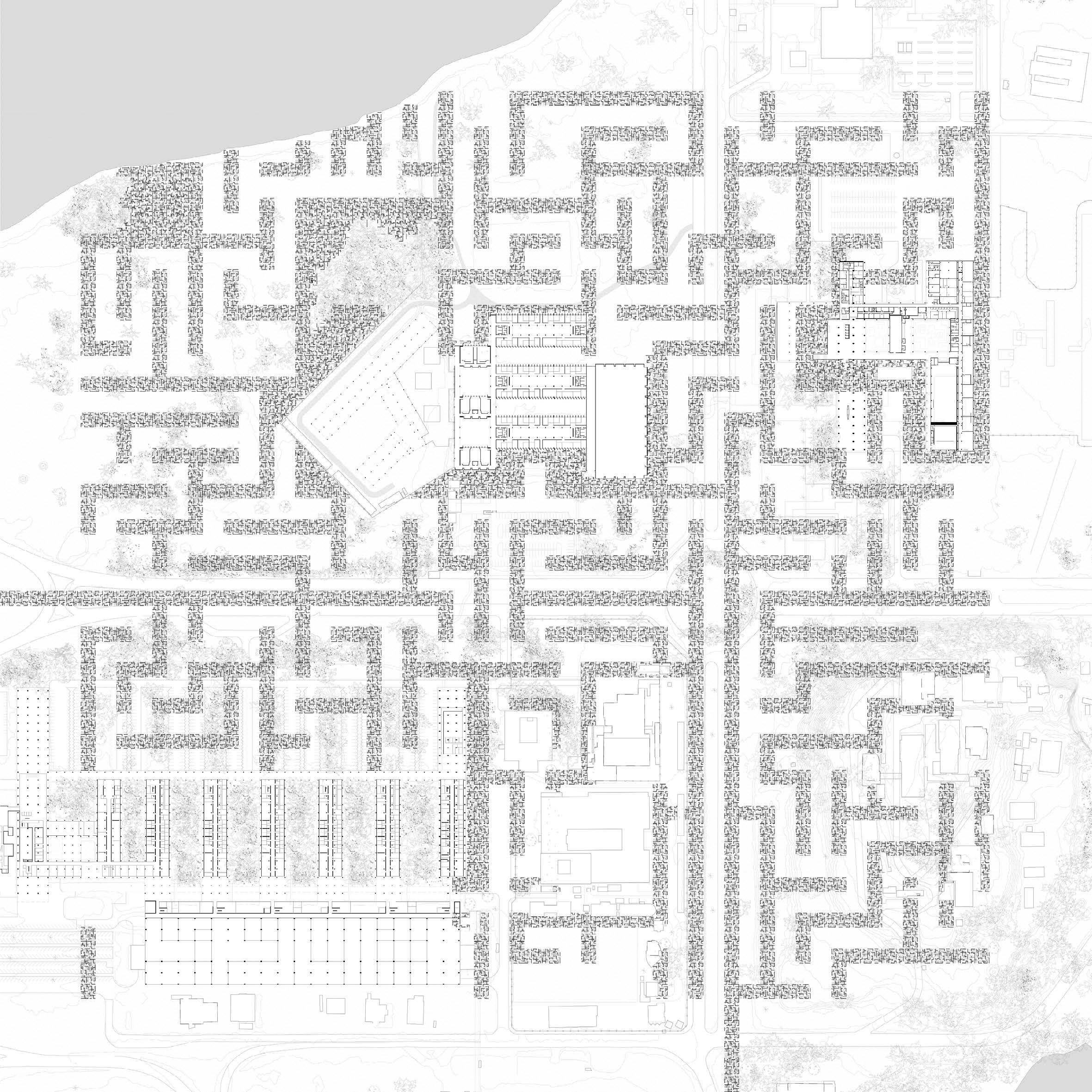
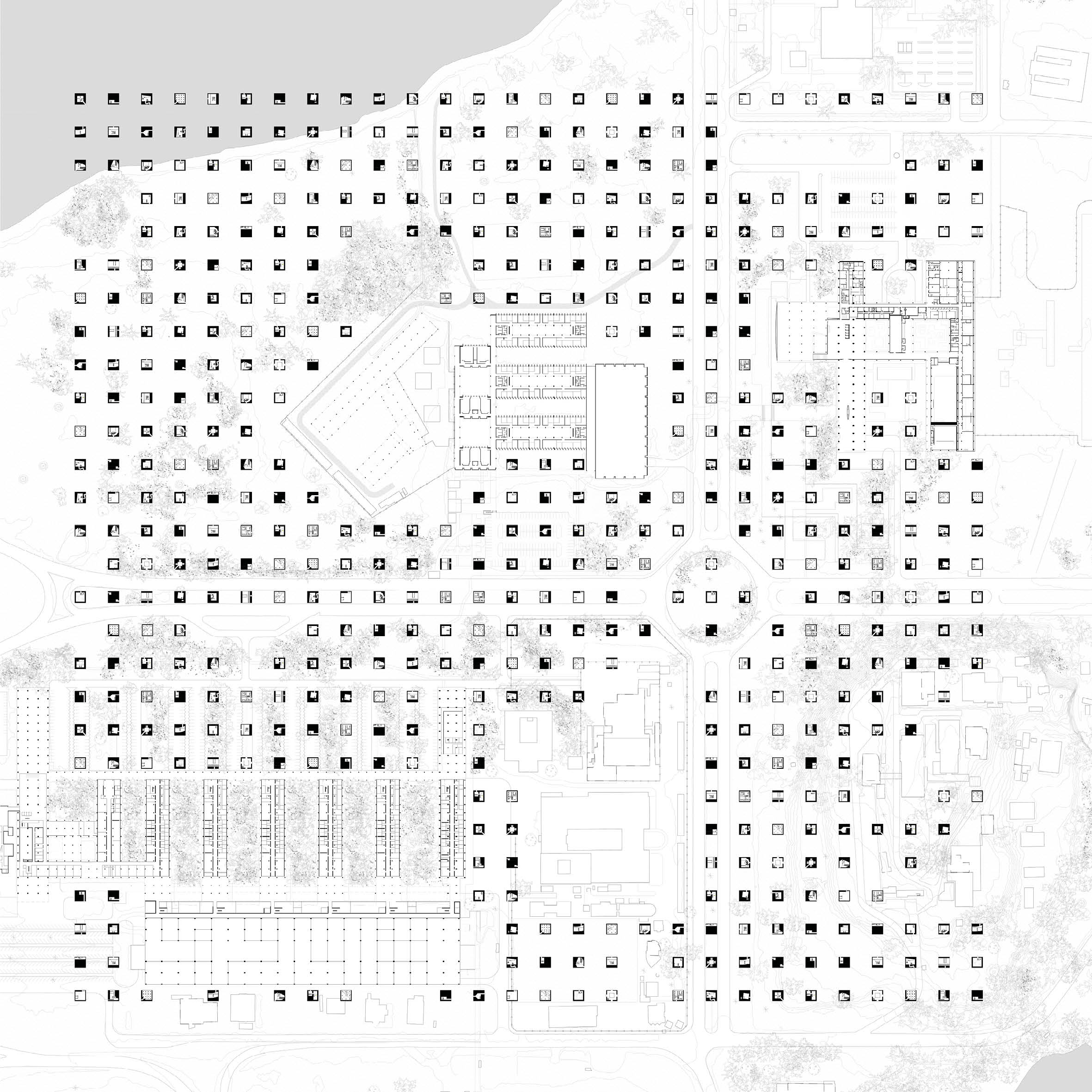
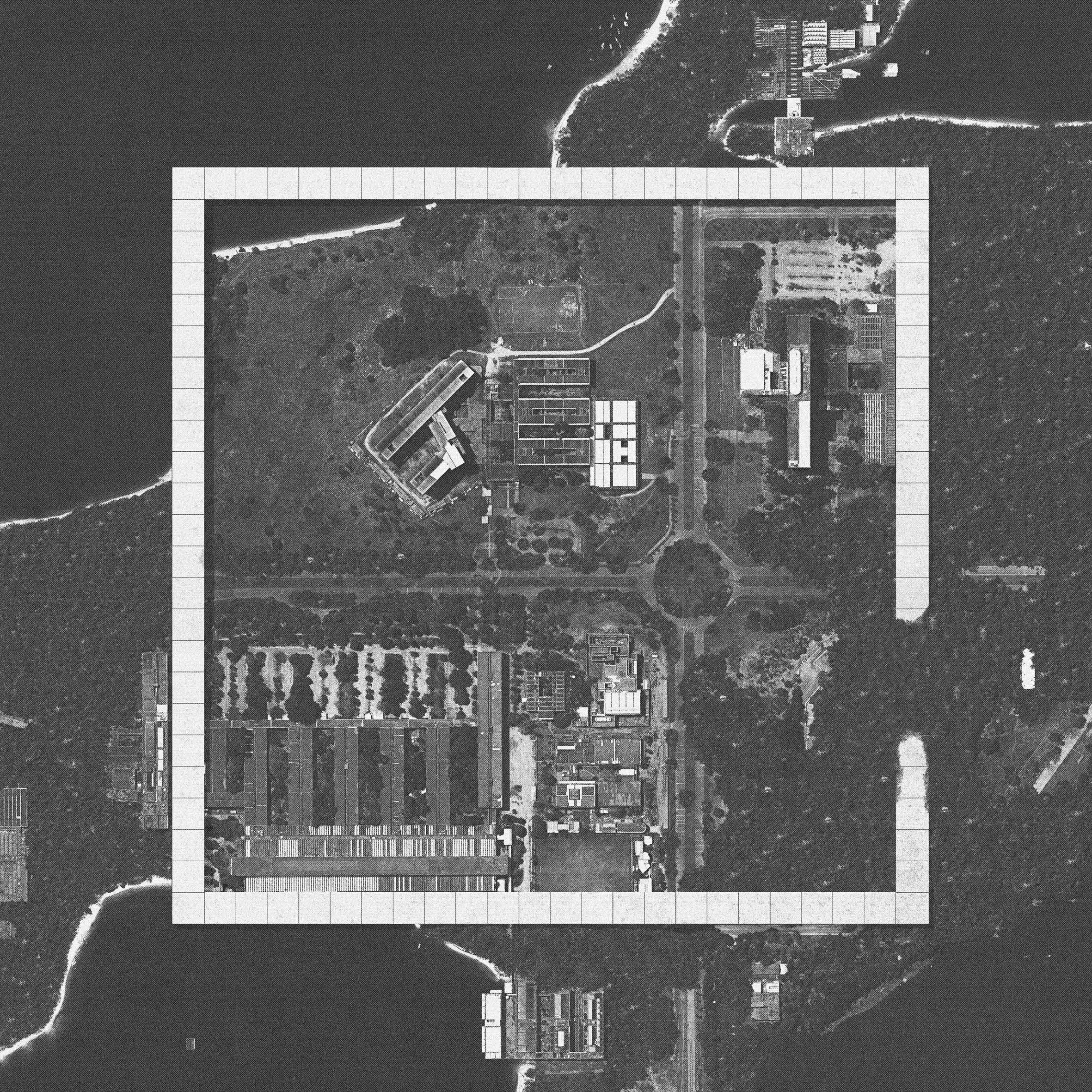
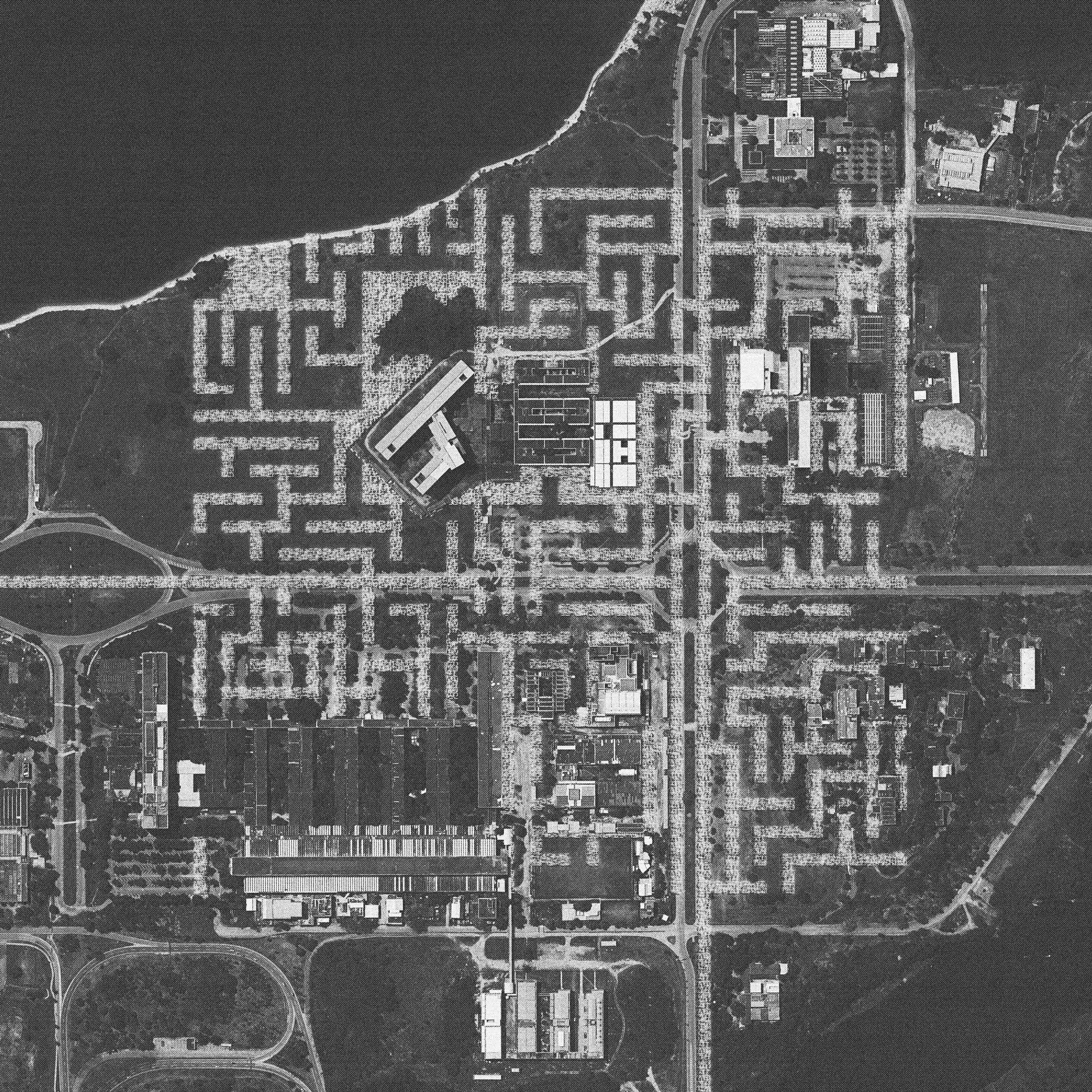
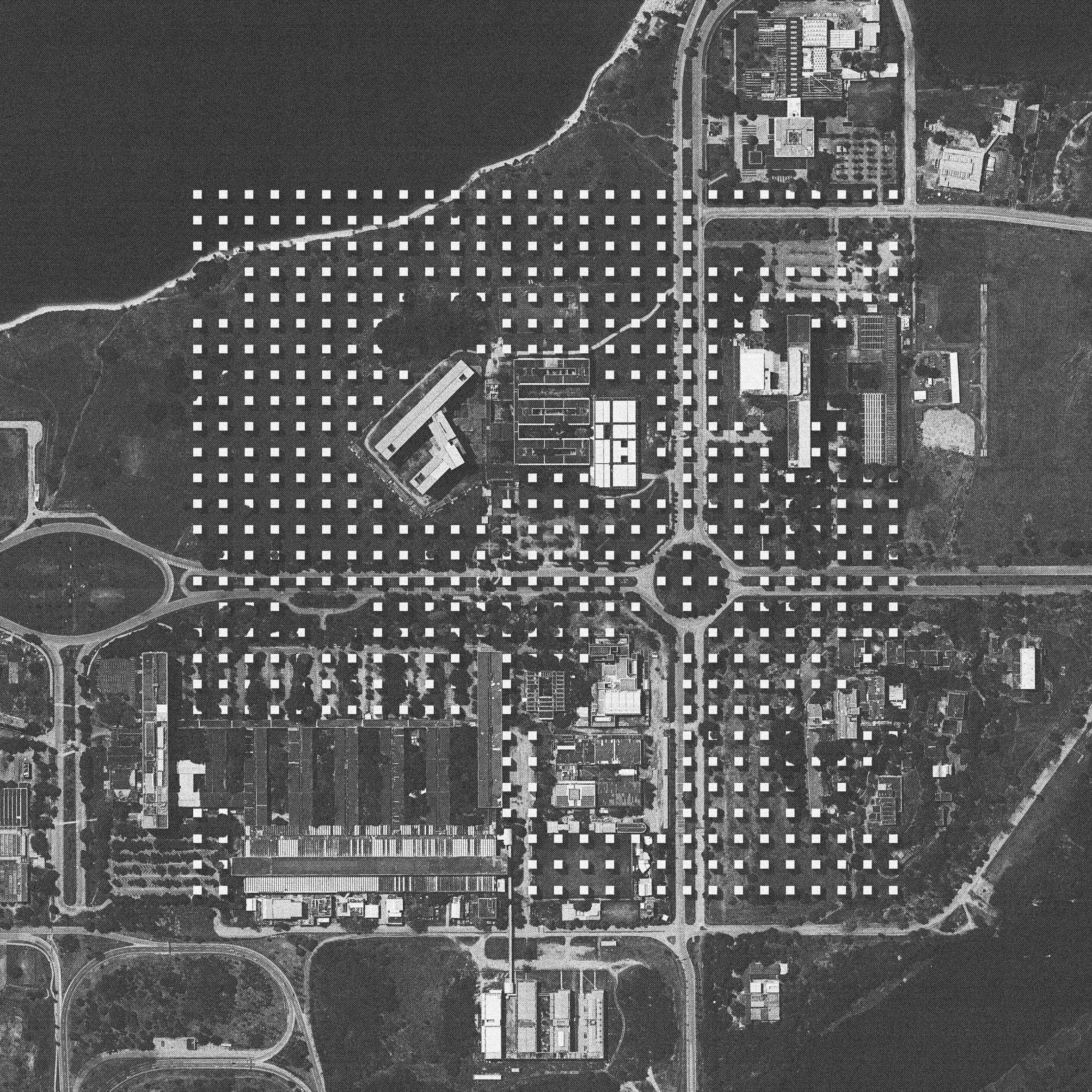
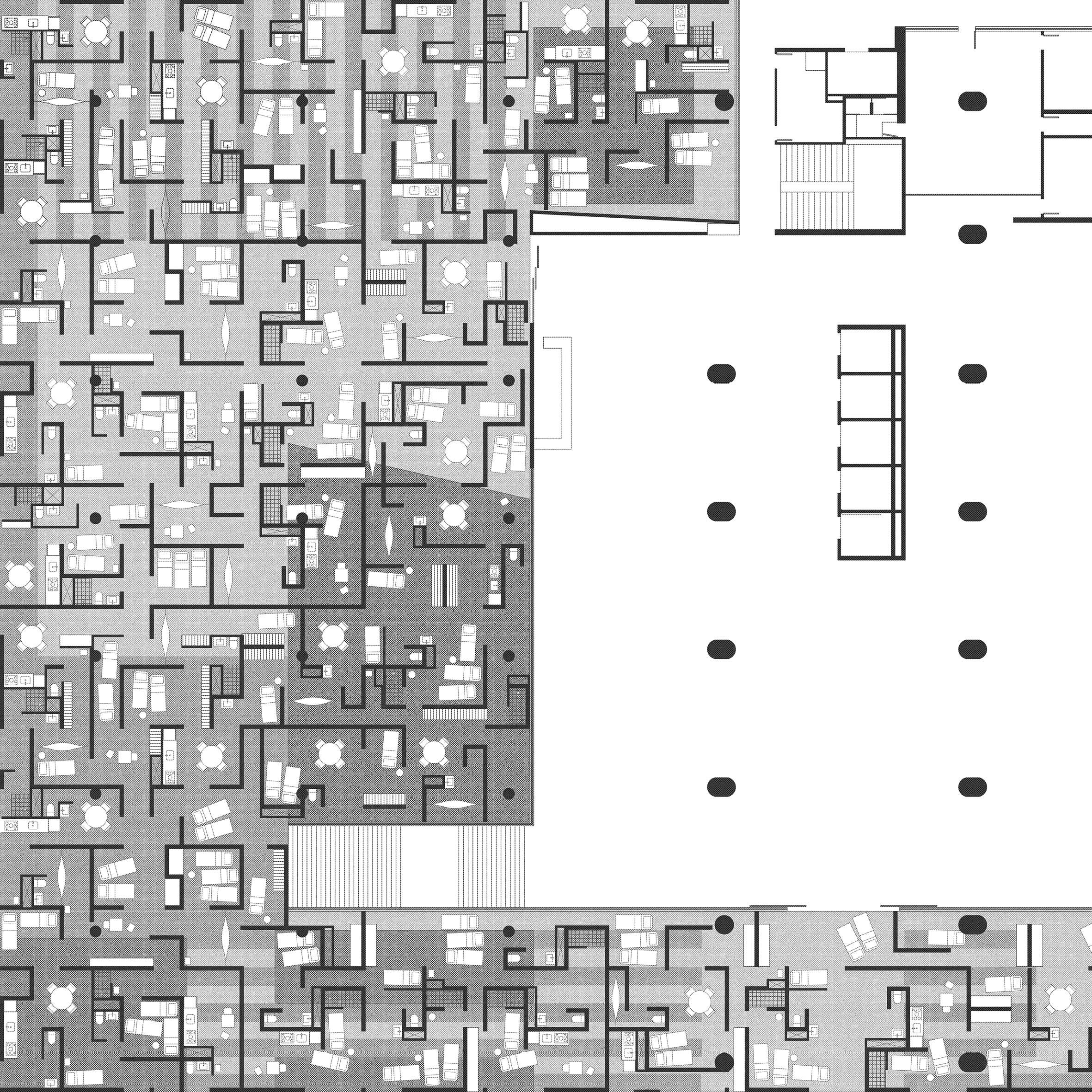
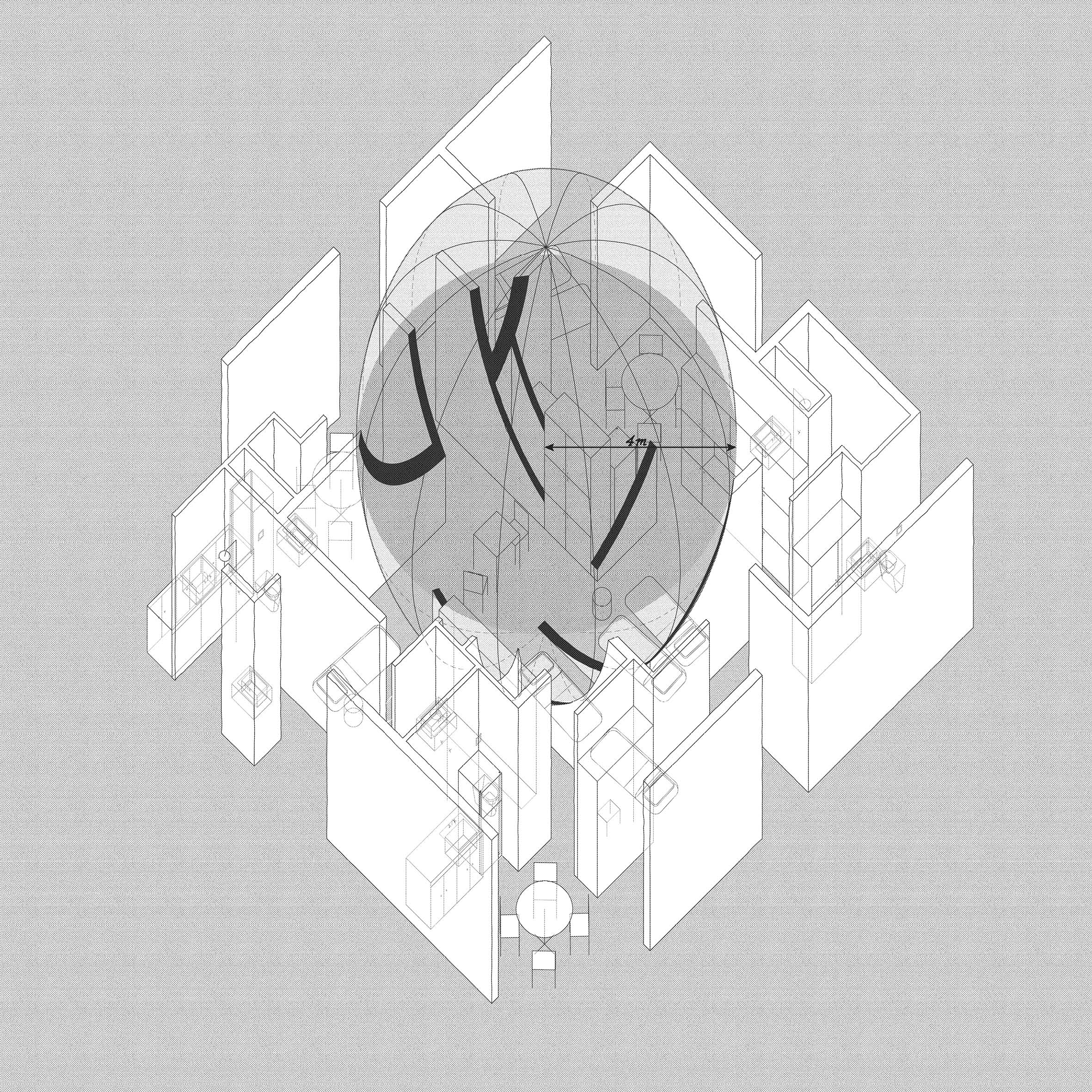
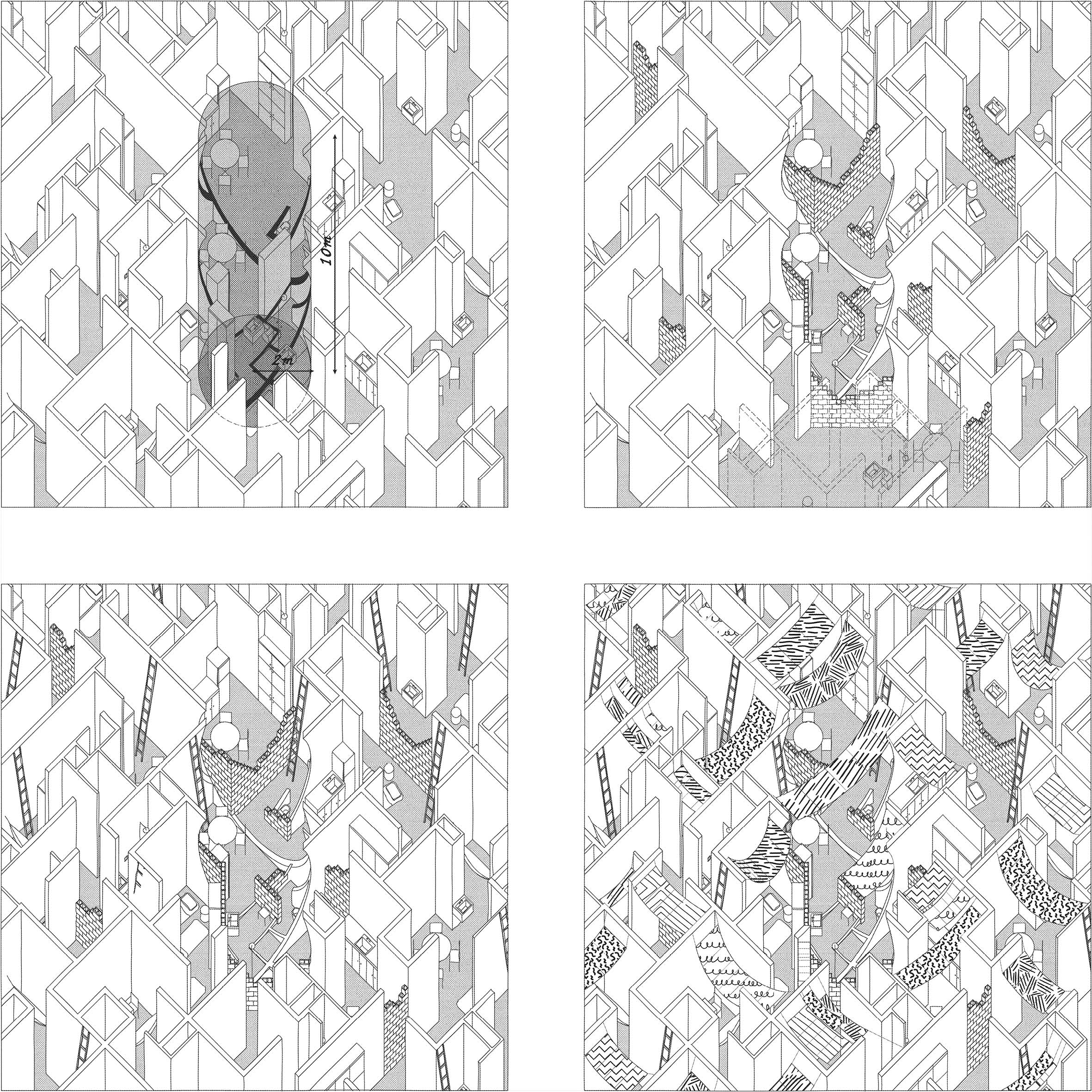
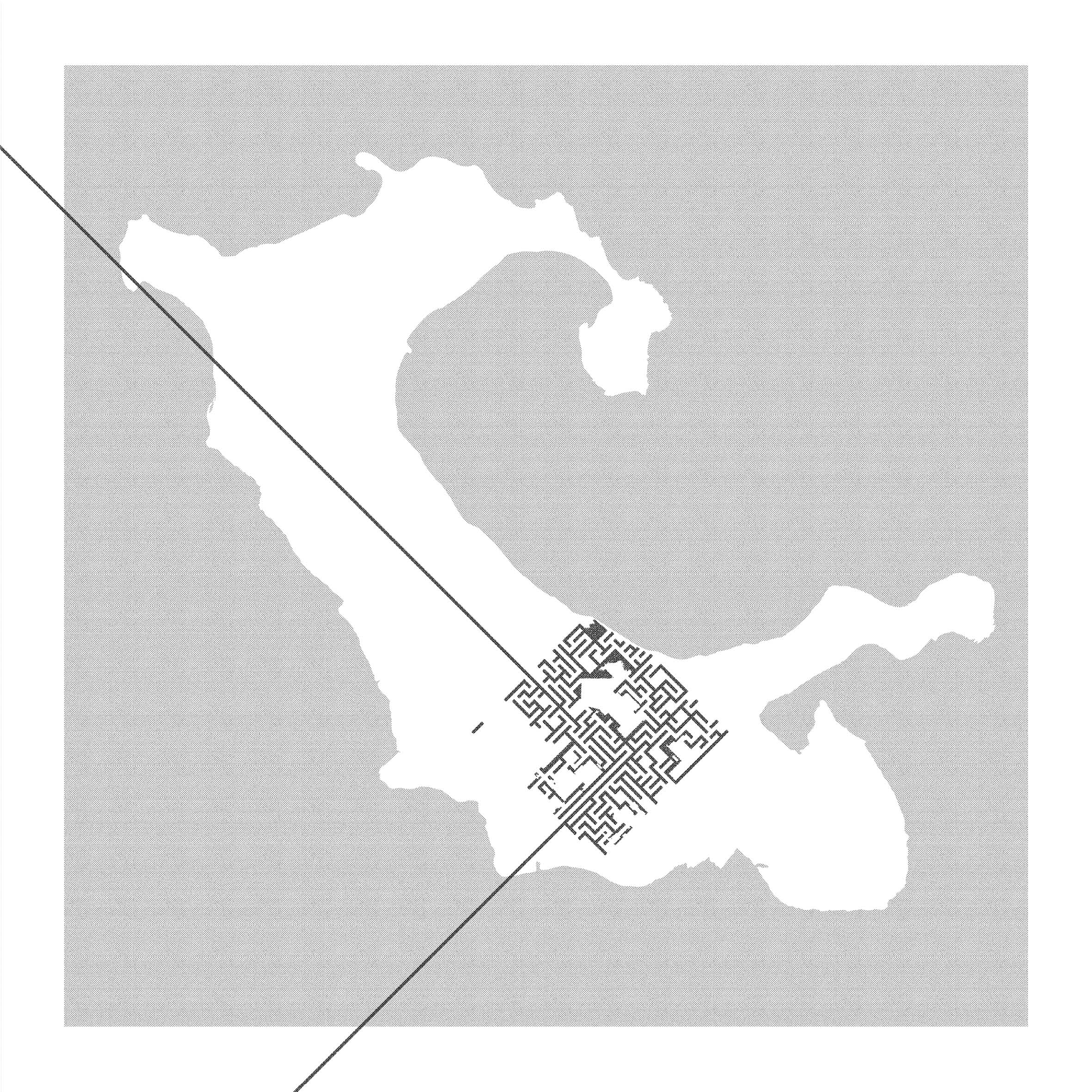
Urban Thresholds reimagines urban infrastructures as topological interfaces shaping the spatial and social dynamics of the Rio de Janeiro Metropolitan Region (MRRJ). Instead of relying on traditional masterplans, this research adopts a morphological approach to dissect how mobility networks—such as highways, railways, and parking lots—act as thresholds that frame everyday metropolitan life. These infrastructures are reframed not merely as connectors but as formal devices that hierarchize movement, control access, and define urban boundaries. By analyzing their material and operational logics – through the methodology of redrawing these conditions, – the project reveals how these systems construct a layered, often invisible geography of power and hierarchy across the city.
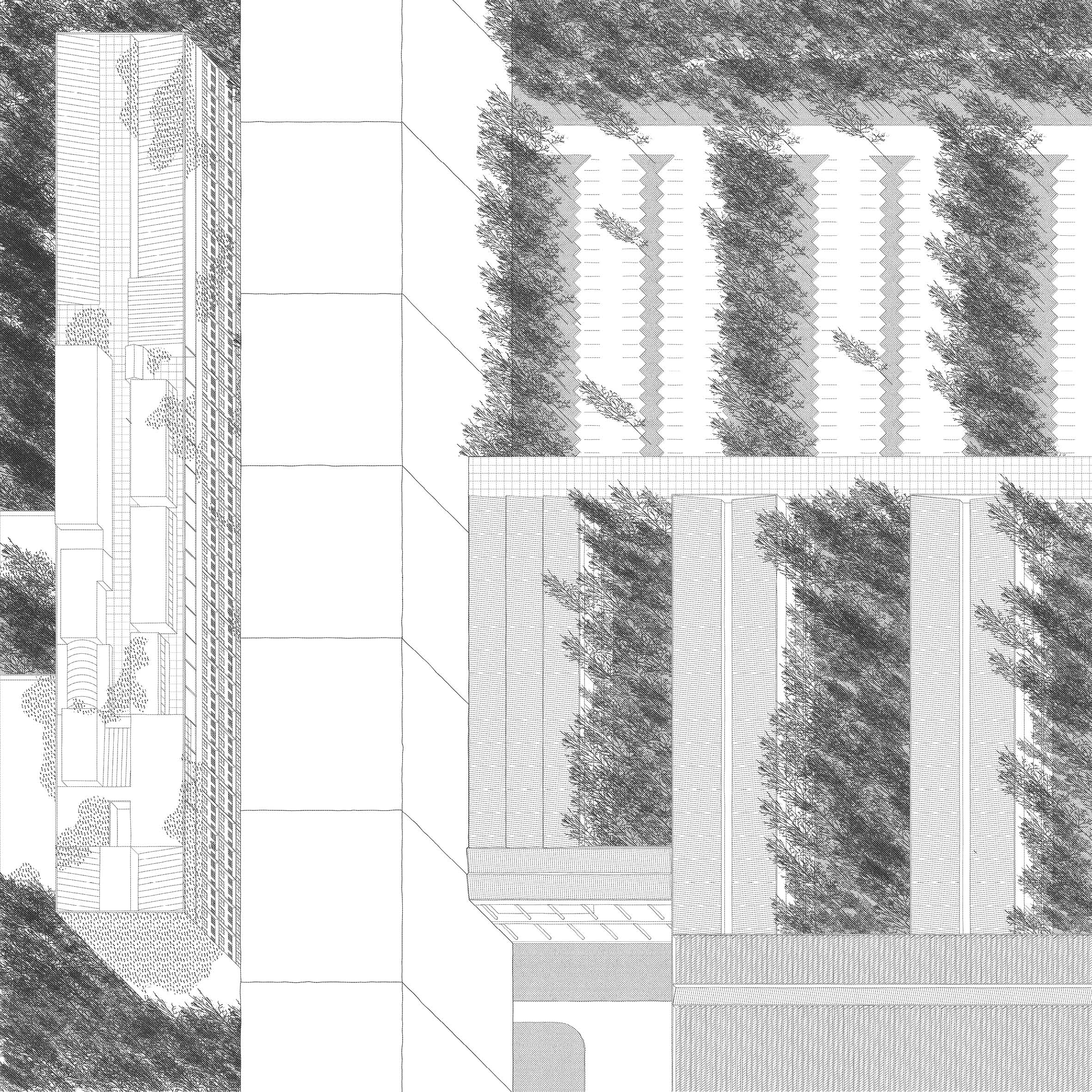
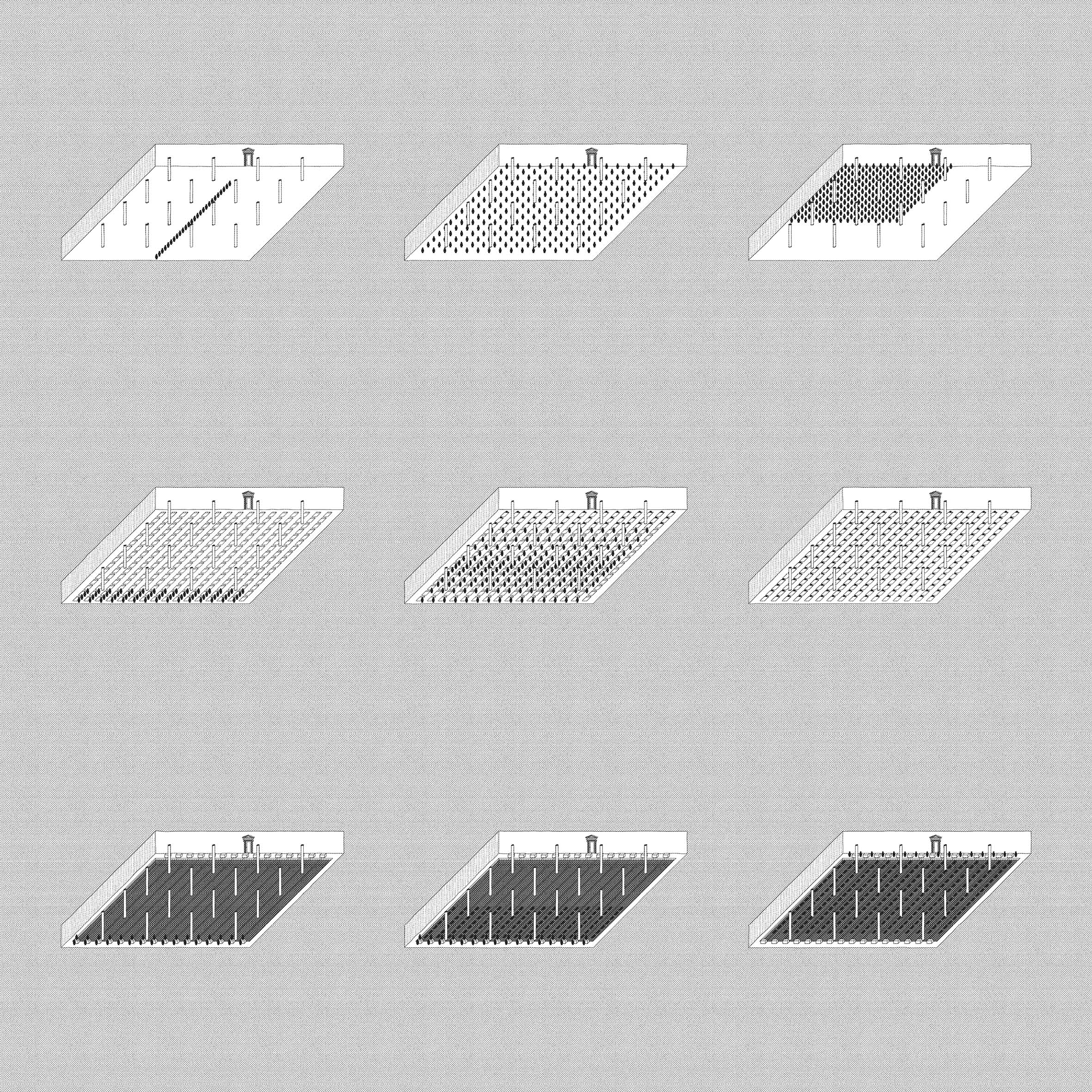
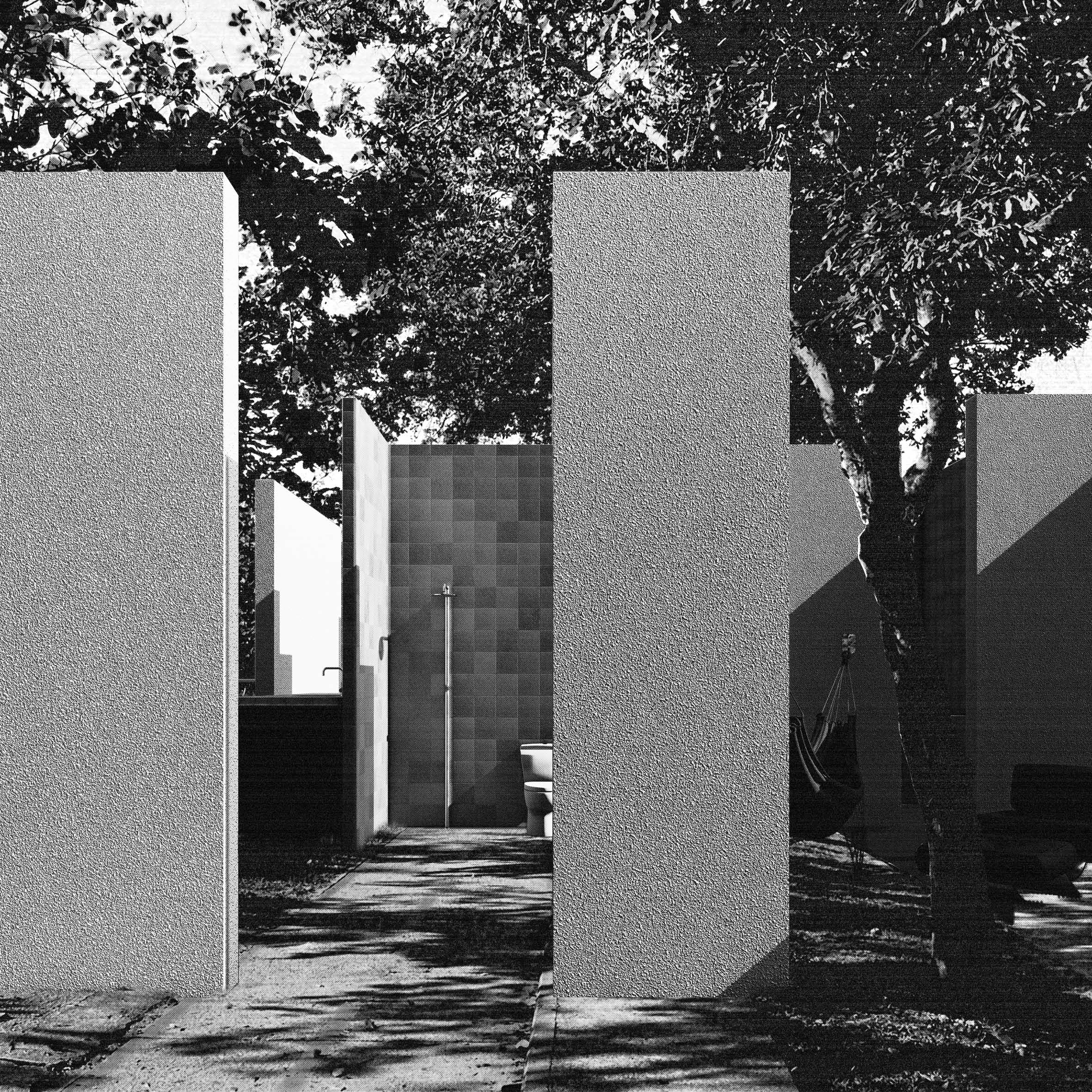
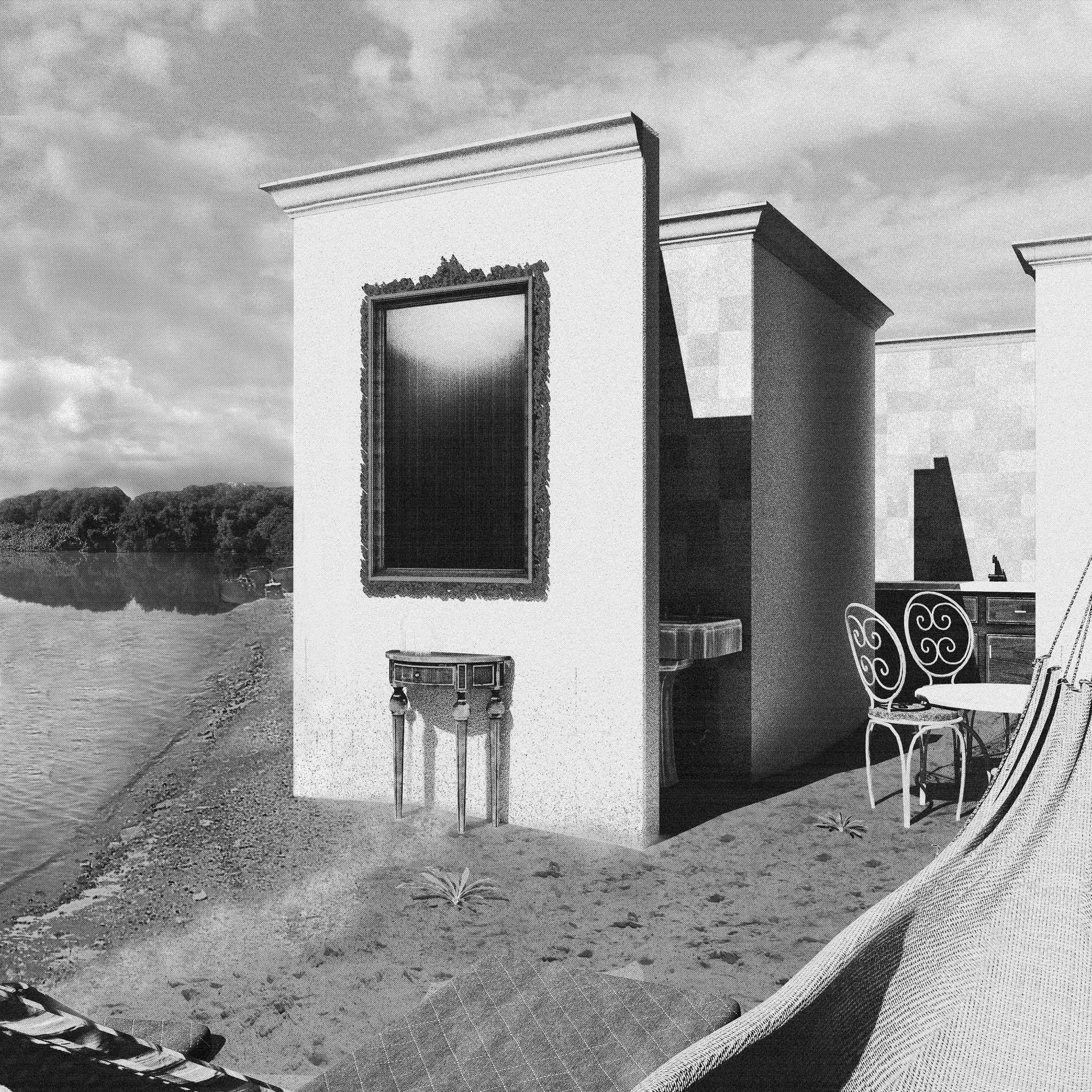
Three key typologies emerge: the Door, Tube, and Park. The Door—seen in toll booths, gates, or turnstiles—acts as a literal barrier, enforcing rigid spatial sequences and filtering access. The Tube, such as expressways or rail corridors, prioritizes speed and linearity, masking its role as a boundary by dissolving sensory engagement with the city. The Park, exemplified by parking lots or road grids, organizes space through horizontal markings and coded surfaces, enabling flexible, layered uses while maintaining an invisible order. Each typology reveals distinct logics: the Door’s overt control, the Tube’s camouflaged fragmentation, and the Park’s adaptive reprogramming.
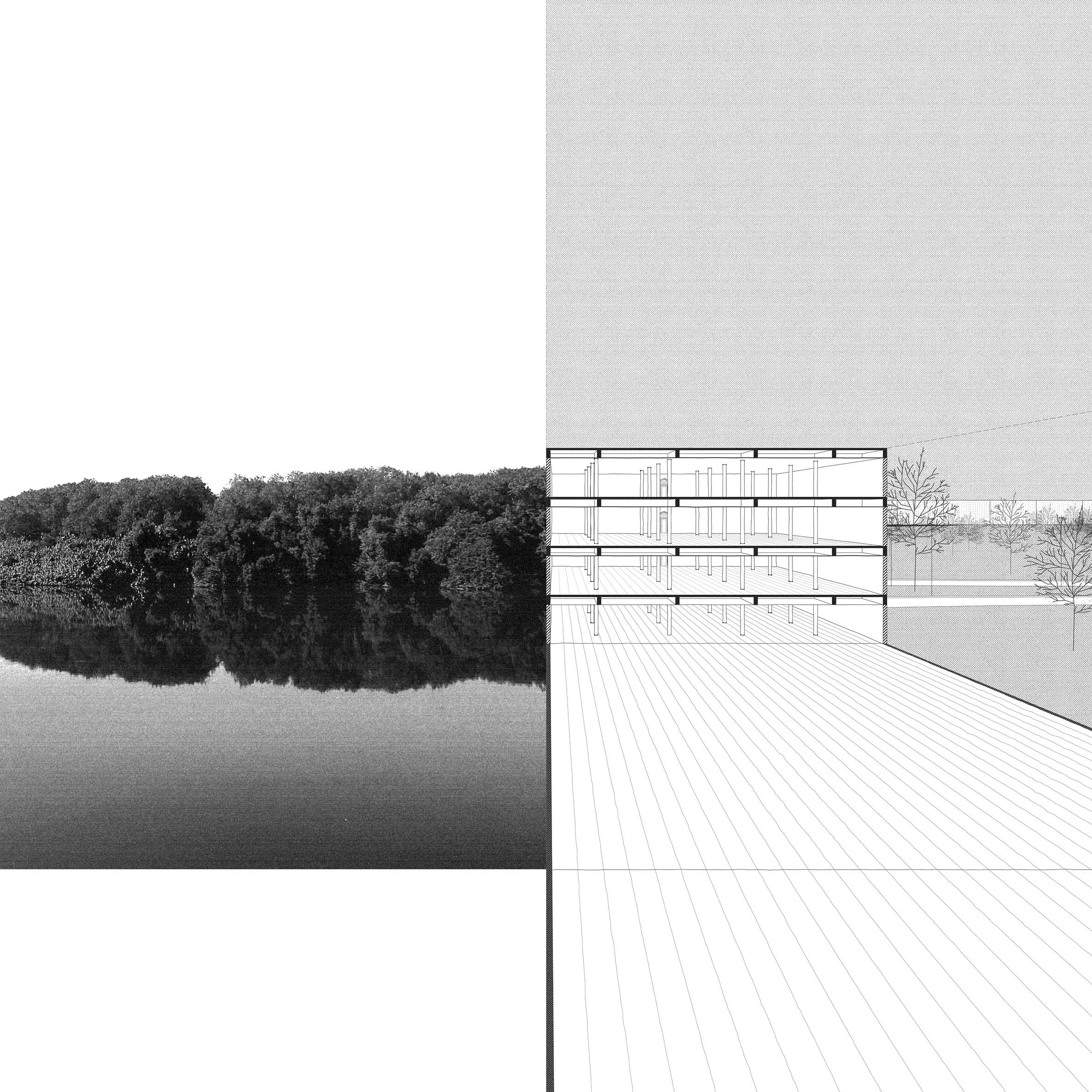
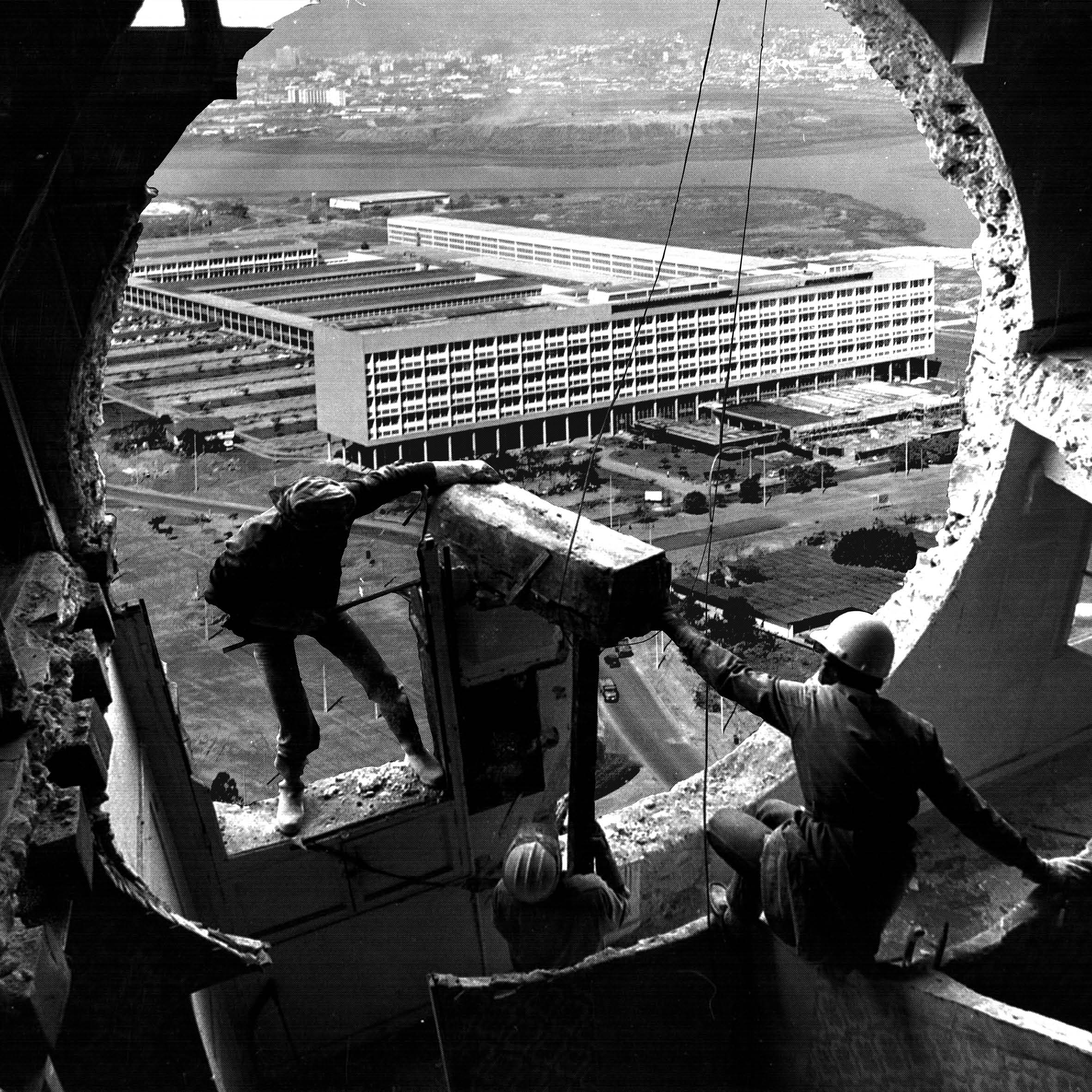
By reframing these thresholds as architectural forms, the research highlights their ambigual role in shaping .While the Tube accelerates movement, it often disrupts local neighborhoods, whereas the Park’s grid allows temporary transformations—like a parking lot hosting a fairground. This typological framework underscores the agency of form in shaping Latin America’s infrastructural landscapes. It shifts the emphasis from large-scale planning to the micro-scale agency of form, suggesting that rethinking infrastructure space as thresholds can unlock new possibilities for spatial management.
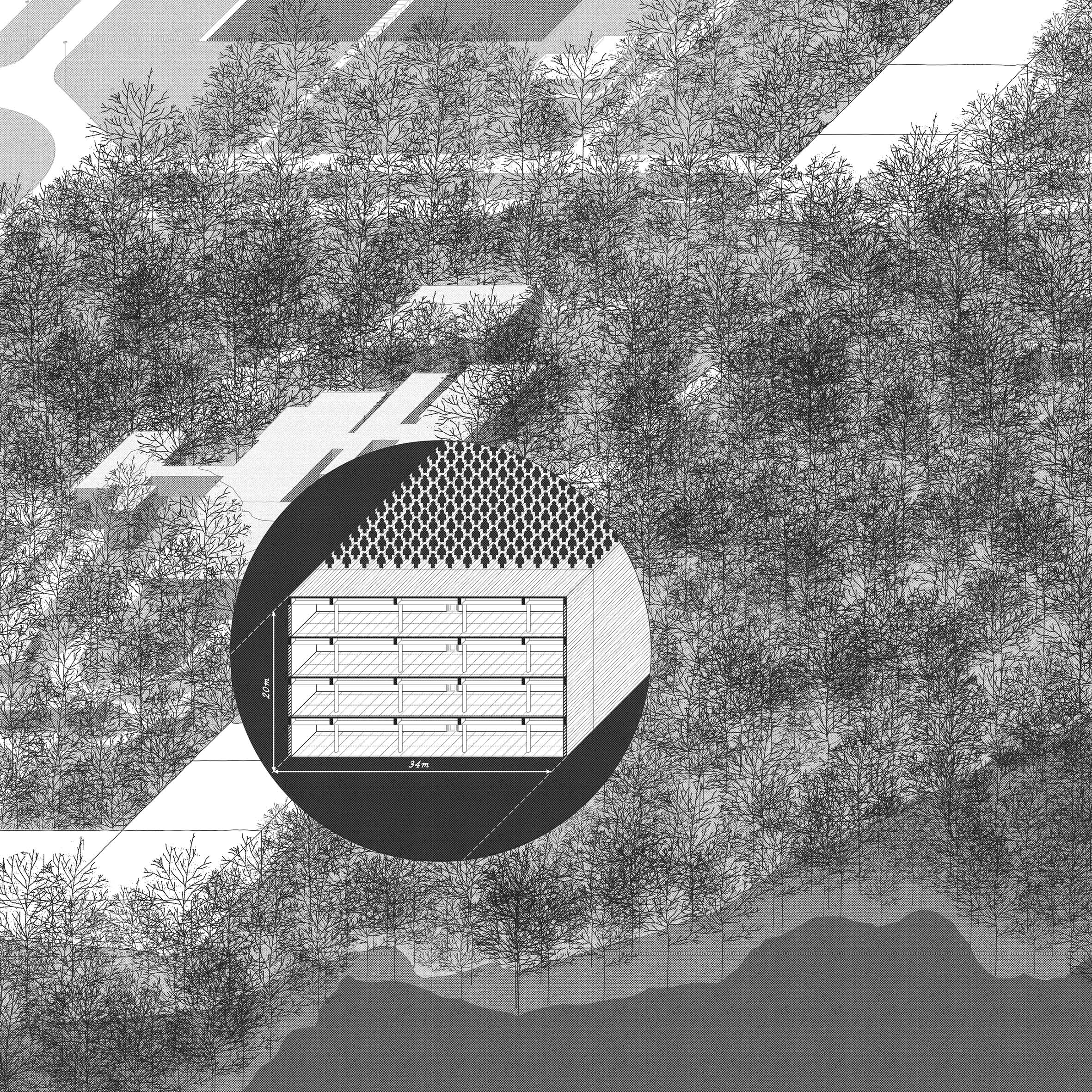
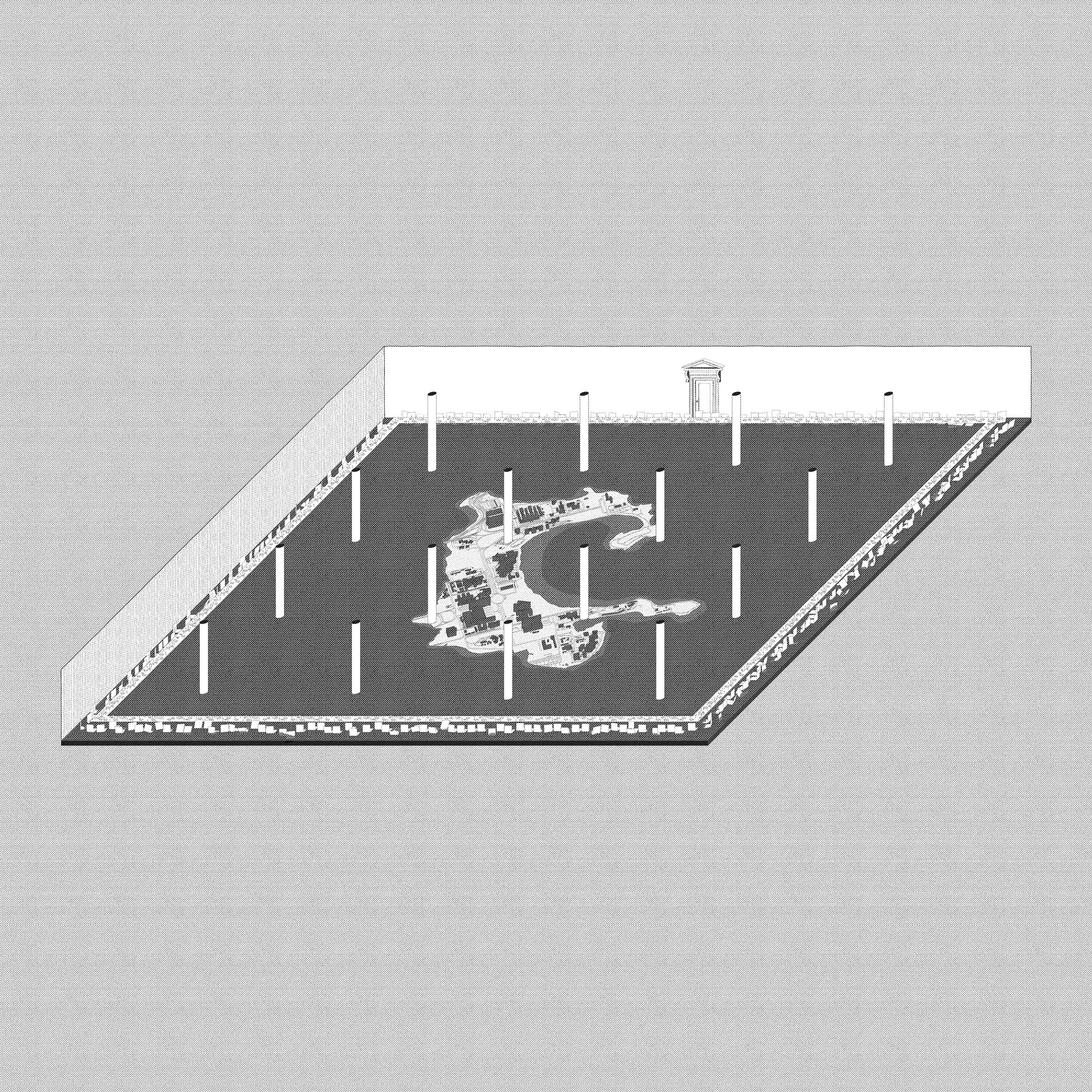
Urban Thresholds reimagines urban infrastructures as topological interfaces shaping the spatial and social dynamics of the Rio de Janeiro Metropolitan Region (MRRJ). Instead of relying on traditional masterplans, this research adopts a morphological approach to dissect how mobility networks—such as highways, railways, and parking lots—act as thresholds that frame everyday metropolitan life. These infrastructures are reframed not merely as connectors but as formal devices that hierarchize movement, control access, and define urban boundaries. By analyzing their material and operational logics – through the methodology of redrawing these conditions, – the project reveals how these systems construct a layered, often invisible geography of power and hierarchy across the city.
Three key typologies emerge: the Door, Tube, and Park. The Door—seen in toll booths, gates, or turnstiles—acts as a literal barrier, enforcing rigid spatial sequences and filtering access. The Tube, such as expressways or rail corridors, prioritizes speed and linearity, masking its role as a boundary by dissolving sensory engagement with the city. The Park, exemplified by parking lots or road grids, organizes space through horizontal markings and coded surfaces, enabling flexible, layered uses while maintaining an invisible order. Each typology reveals distinct logics: the Door’s overt control, the Tube’s camouflaged fragmentation, and the Park’s adaptive reprogramming.
By reframing these thresholds as architectural forms, the research highlights their ambigual role in shaping .While the Tube accelerates movement, it often disrupts local neighborhoods, whereas the Park’s grid allows temporary transformations—like a parking lot hosting a fairground. This typological framework underscores the agency of form in shaping Latin America’s infrastructural landscapes. It shifts the emphasis from large-scale planning to the micro-scale agency of form, suggesting that rethinking infrastructure space as thresholds can unlock new possibilities for spatial management.
Urban Thresholds reimagines urban infrastructures as topological interfaces shaping the spatial and social dynamics of the Rio de Janeiro Metropolitan Region (MRRJ). Instead of relying on traditional masterplans, this research adopts a morphological approach to dissect how mobility networks—such as highways, railways, and parking lots—act as thresholds that frame everyday metropolitan life. These infrastructures are reframed not merely as connectors but as formal devices that hierarchize movement, control access, and define urban boundaries. By analyzing their material and operational logics – through the methodology of redrawing these conditions, – the project reveals how these systems construct a layered, often invisible geography of power and hierarchy across the city.
Three key typologies emerge: the Door, Tube, and Park. The Door—seen in toll booths, gates, or turnstiles—acts as a literal barrier, enforcing rigid spatial sequences and filtering access. The Tube, such as expressways or rail corridors, prioritizes speed and linearity, masking its role as a boundary by dissolving sensory engagement with the city. The Park, exemplified by parking lots or road grids, organizes space through horizontal markings and coded surfaces, enabling flexible, layered uses while maintaining an invisible order. Each typology reveals distinct logics: the Door’s overt control, the Tube’s camouflaged fragmentation, and the Park’s adaptive reprogramming.
By reframing these thresholds as architectural forms, the research highlights their ambigual role in shaping .While the Tube accelerates movement, it often disrupts local neighborhoods, whereas the Park’s grid allows temporary transformations—like a parking lot hosting a fairground. This typological framework underscores the agency of form in shaping Latin America’s infrastructural landscapes. It shifts the emphasis from large-scale planning to the micro-scale agency of form, suggesting that rethinking infrastructure space as thresholds can unlock new possibilities for spatial management.
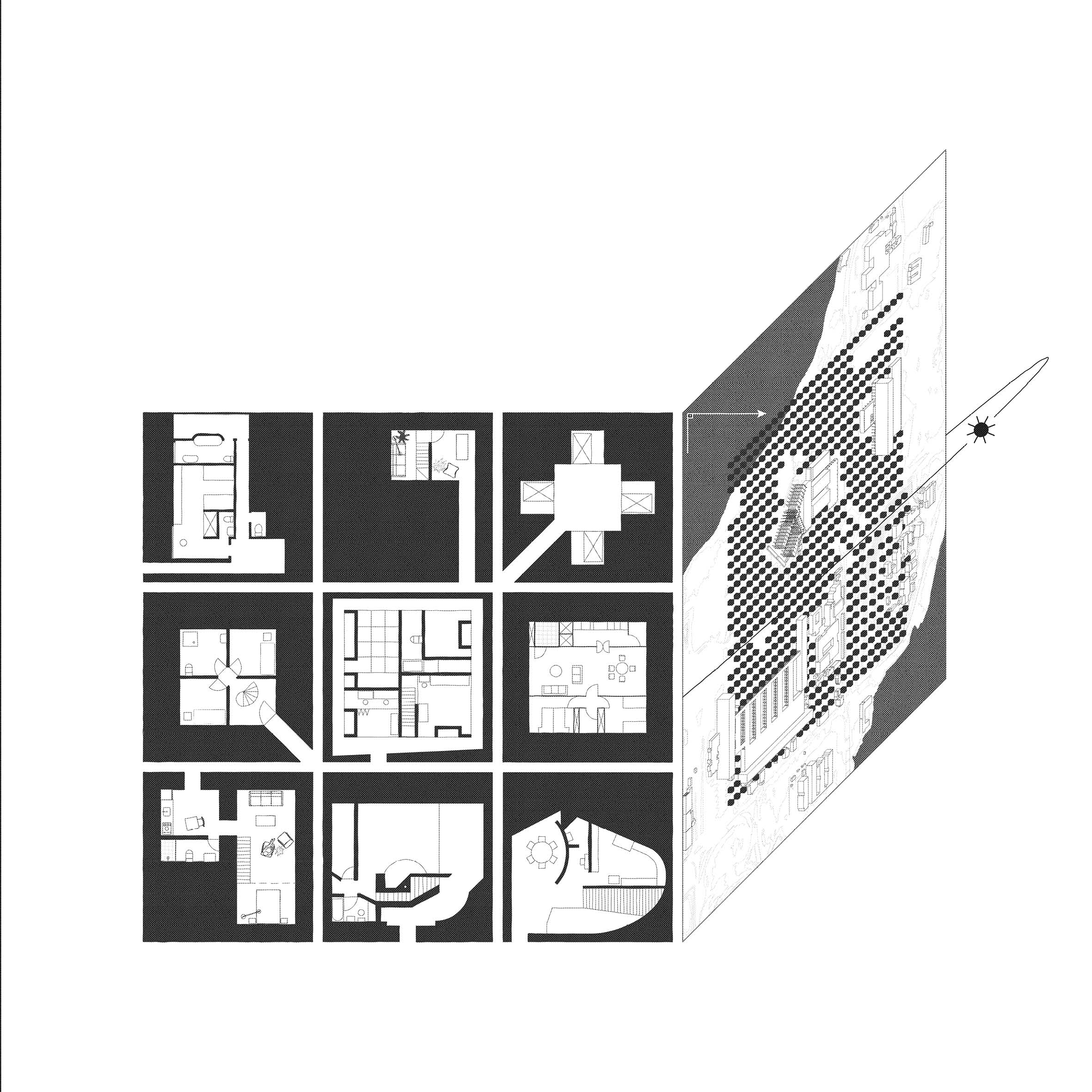
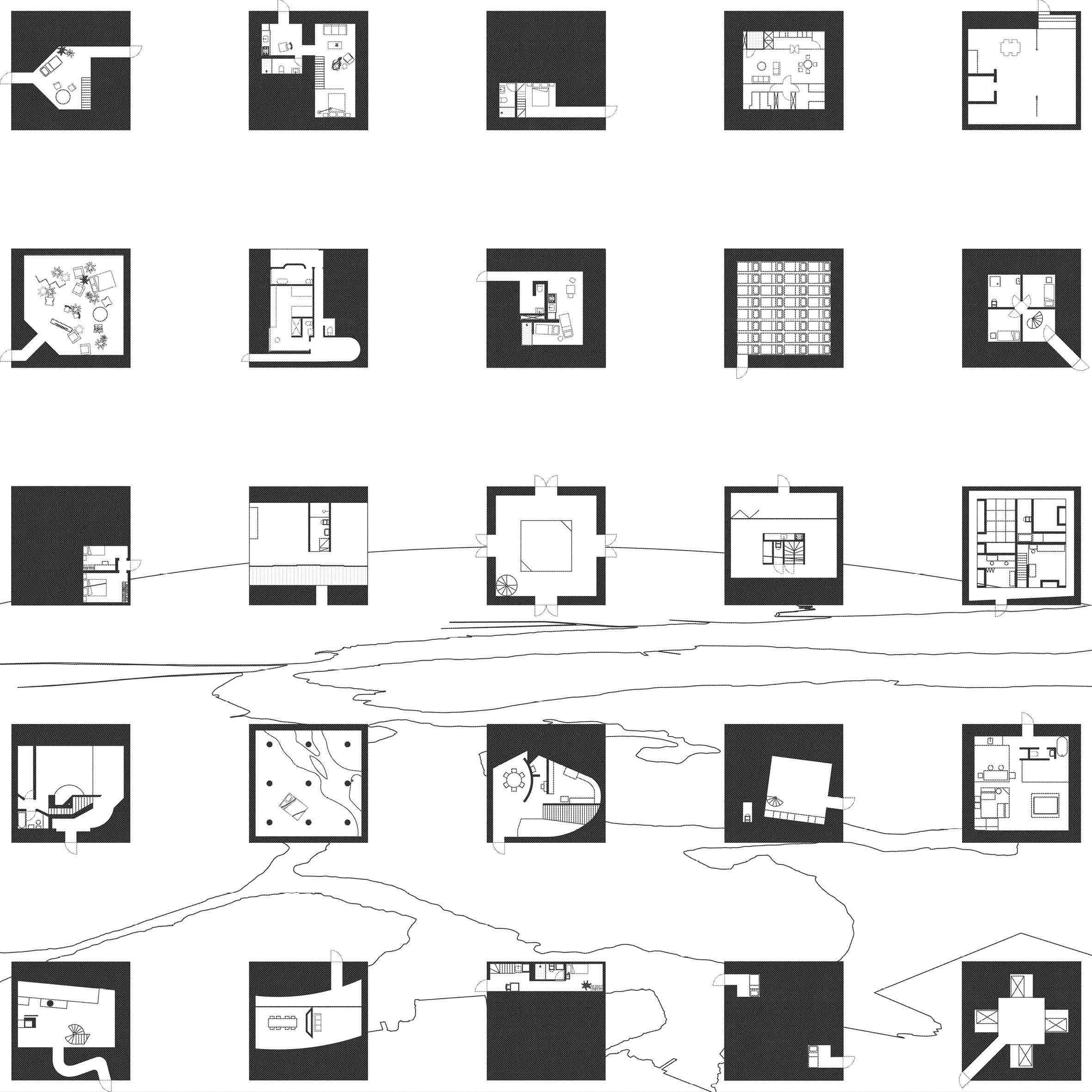
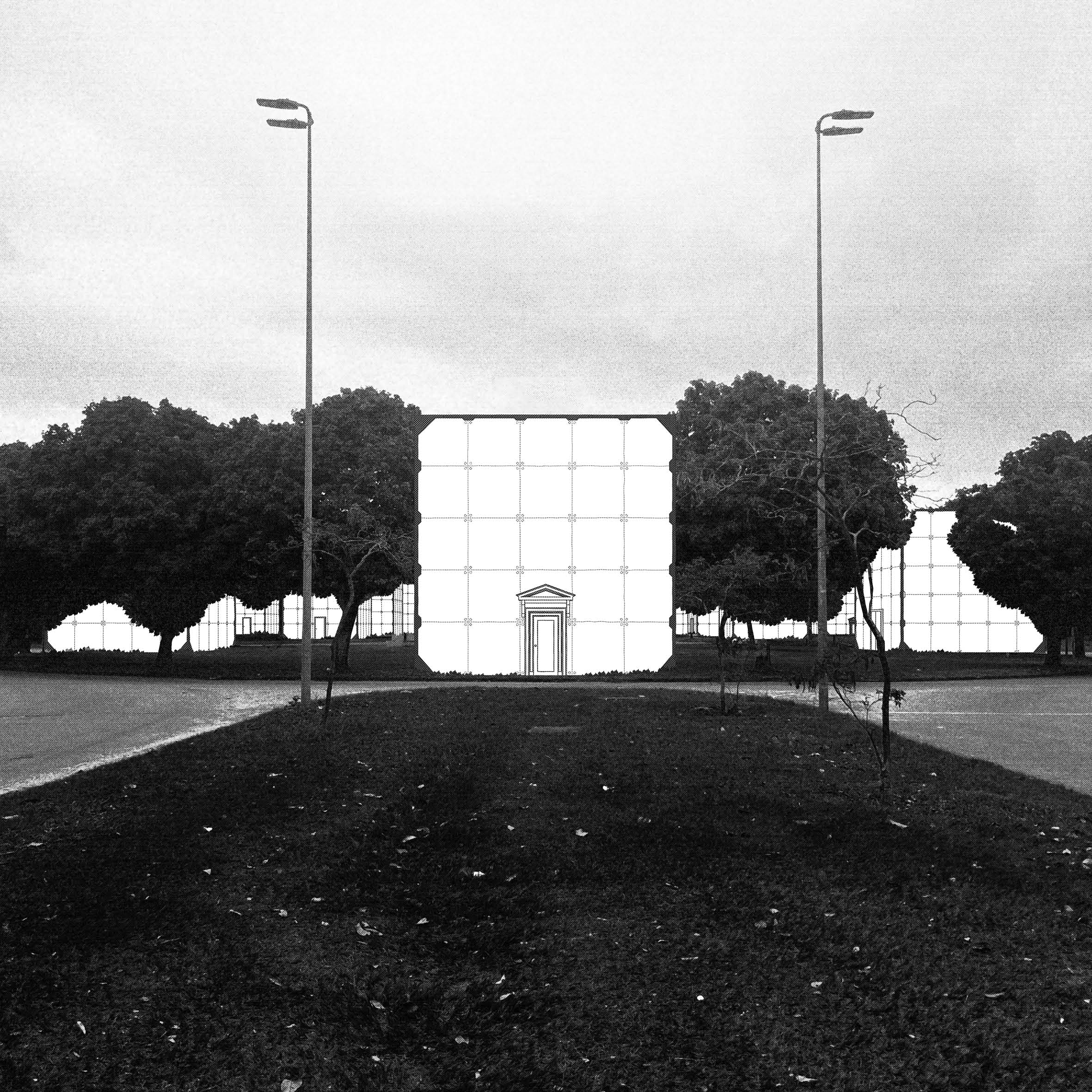
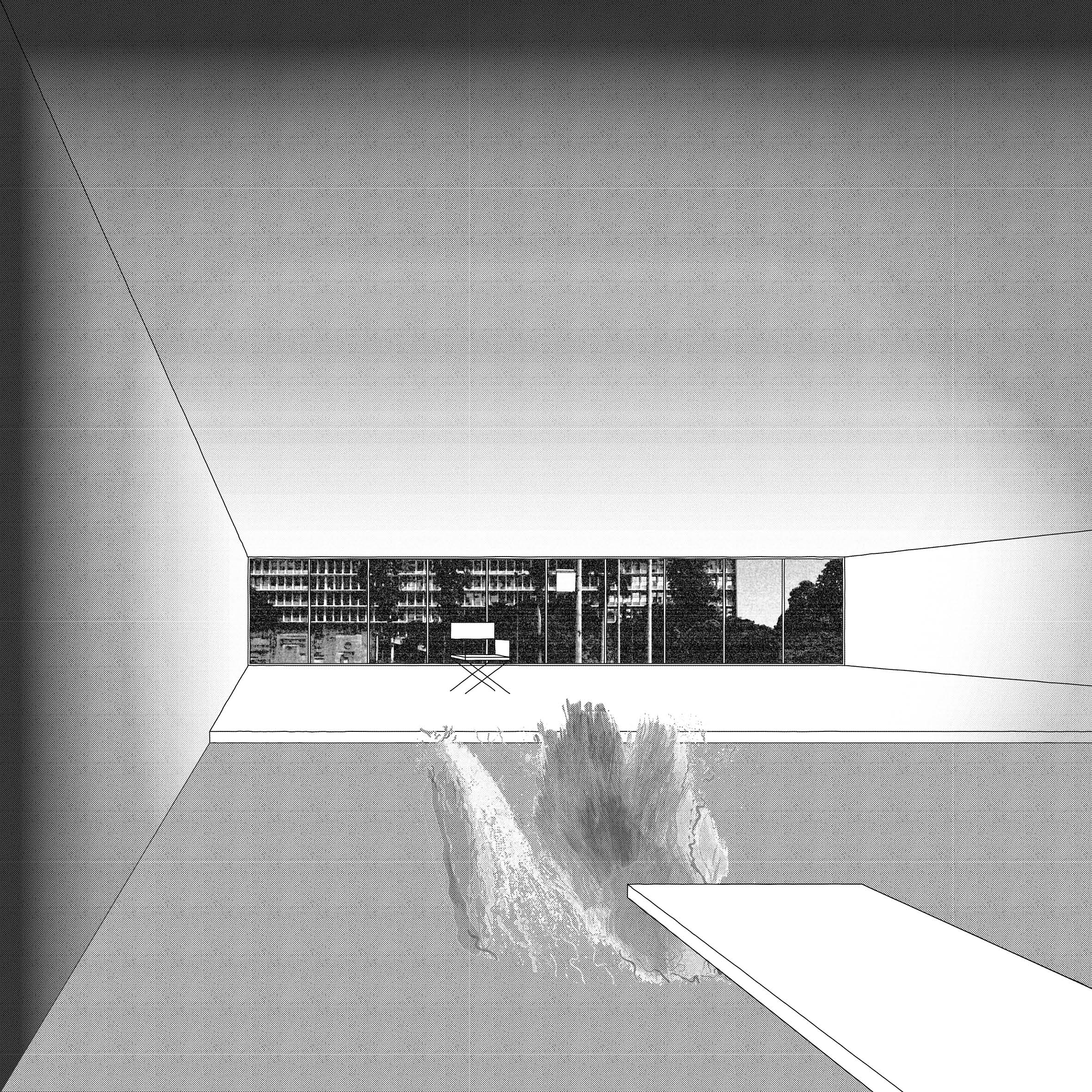
Urban Thresholds reimagines urban infrastructures as topological interfaces shaping the spatial and social dynamics of the Rio de Janeiro Metropolitan Region (MRRJ). Instead of relying on traditional masterplans, this research adopts a morphological approach to dissect how mobility networks—such as highways, railways, and parking lots—act as thresholds that frame everyday metropolitan life. These infrastructures are reframed not merely as connectors but as formal devices that hierarchize movement, control access, and define urban boundaries. By analyzing their material and operational logics – through the methodology of redrawing these conditions, – the project reveals how these systems construct a layered, often invisible geography of power and hierarchy across the city.
Three key typologies emerge: the Door, Tube, and Park. The Door—seen in toll booths, gates, or turnstiles—acts as a literal barrier, enforcing rigid spatial sequences and filtering access. The Tube, such as expressways or rail corridors, prioritizes speed and linearity, masking its role as a boundary by dissolving sensory engagement with the city. The Park, exemplified by parking lots or road grids, organizes space through horizontal markings and coded surfaces, enabling flexible, layered uses while maintaining an invisible order. Each typology reveals distinct logics: the Door’s overt control, the Tube’s camouflaged fragmentation, and the Park’s adaptive reprogramming.
By reframing these thresholds as architectural forms, the research highlights their ambigual role in shaping .While the Tube accelerates movement, it often disrupts local neighborhoods, whereas the Park’s grid allows temporary transformations—like a parking lot hosting a fairground. This typological framework underscores the agency of form in shaping Latin America’s infrastructural landscapes. It shifts the emphasis from large-scale planning to the micro-scale agency of form, suggesting that rethinking infrastructure space as thresholds can unlock new possibilities for spatial management.